From Portuguese barrels and Basque rivermouths to Irish slabs and Canary Island reefs — the waves that make Europe a surf continent in its own right.
Indonesia stretches across more than 17,000 islands along the equator, forming a natural swell magnet that catches energy from the Indian Ocean, the Pacific, and everything in between. The result is one of the most diverse and consistent surf environments on the planet. Warm water, cheap living costs, and world-class waves have made Indonesia the ultimate destination for surf travelers.
Bali is the gateway for most surfers, and for good reason its southern coast serves up everything from mellow beach breaks to barreling reef passes. But Indonesia's surf potential extends far beyond Bali. The Mentawai Islands, Lombok, Sumbawa, Nias, and dozens of lesser-known archipelagos offer uncrowded perfection for those willing to travel further.
We've catalogued over 200 surf spots across Indonesia on Wave Safari, each with break type, skill level, and seasonal info.
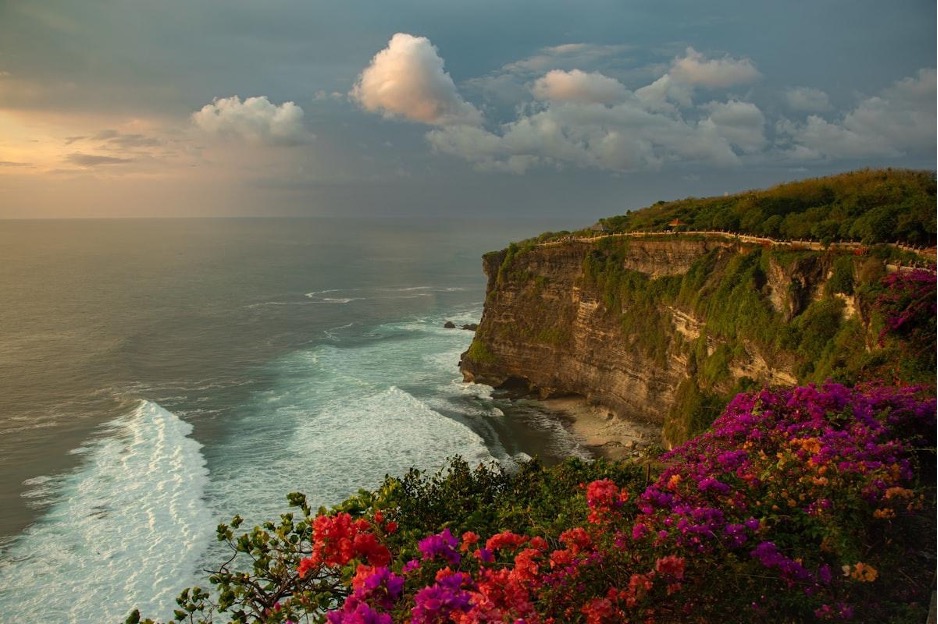
Bali's Bukit Peninsula is the spiritual home of Indonesian surfing. The limestone cliffs along the southern coast shelter a string of world-renowned breaks that fire from April through October when the southeast trade winds blow offshore.
Uluwatu is the crown jewel a long, walling left-hander that breaks over a shallow reef and offers multiple sections from the Peak through to the Racetrack. It's powerful, photogenic, and crowded, but there's a reason it's considered one of the world's great waves.
Padang Padang delivers a short, intense barrel when it's overhead. Canggu on the west coast has become the hub for digital nomads and intermediate surfers, with multiple beach breaks and a vibrant social scene. Keramas on the east coast offers a fast, punchy right-hander that hosts night surfing events.
Best for: All levels. Bali's diversity means beginners can learn at Kuta while experts charge Uluwatu.

The Mentawai Islands are what most surfers picture when they close their eyes and imagine perfection. Sitting 150 km off the west coast of Sumatra, this chain of islands receives direct Indian Ocean swell that wraps around reefs to create flawless barrels.
Spots like Lance's Right (HT's), Macaronis, and Rifles are among the most photographed waves on earth. Access is typically by charter boat or resort, making it a more premium experience but the trade-off is uncrowded lineups and waves that peel mechanically for hundreds of meters.
Best for: Intermediate to advanced surfers. The remote location and reef breaks demand experience.
Just a short ferry or flight from Bali, Lombok offers a rawer, less-developed surf experience. Kuta Lombok (not to be confused with Bali's Kuta) is the main surf hub, surrounded by beautiful bays and reef breaks. Gerupuk offers multiple breaks accessed by boat from a quiet fishing village, and the south coast hides empty peaks for the adventurous.
Sengigi on the west coast is mellower and works during the wet season when Bali's south coast goes flat. Desert Point in southwest Lombok is legendary a long, hollow left that some call the best wave in the world when it's on.
Best for: Surfers looking for less crowded alternatives to Bali with similar wave quality.
Off the west coast of Sumatra, Nias is home to Lagundri Bay, one of the most perfect right-handers on the planet. The wave peels along a cobblestone reef, offering long, makeable barrels that have attracted surfers since the 1970s. Despite its fame, Nias remains relatively uncrowded due to its remoteness.
Indonesia's surf accommodation ranges from $5/night bamboo guesthouses to luxury cliff-top resorts. Browse the full Indonesia listings on Wave Safari to find your style.
Most international surfers fly into Bali's Ngurah Rai International Airport (DPS), which receives direct flights from Australia, Southeast Asia, the Middle East, and increasingly from Europe. From Bali, domestic flights connect to Lombok (25 minutes), Sumbawa, Nias, and Medan (for Mentawai boat connections from Padang).
In Bali, renting a scooter is the most popular way to get around. They cost around $5/day and give you the flexibility to chase conditions. For the Bukit Peninsula, a scooter is almost essential as the breaks are spread along the cliffs. In Canggu, ride-hailing apps like Grab and Gojek work well. For inter-island travel, fast boats run between Bali and the Gili Islands and Lombok, while the Mentawais require a flight to Padang followed by a charter boat.
Indonesia is vast, and part of the magic is exploring beyond the obvious. Start with the full Indonesia destination page, dive into individual spot pages, and piece together an itinerary that matches your level and your sense of adventure.
For surfers willing to venture further, Sumbawa offers one of Indonesia's best-kept secrets. Lakey Peak is a world-class A-frame that produces both lefts and rights, and the surrounding coastline is dotted with empty breaks. Hu'u Beach, Scar Reef, and Yo-Yo's are all accessible from the small town of Hu'u.
West Java's coast near Cimaja and Batu Karas offers mellow point breaks in a less-touristic setting, while Krui in southern Sumatra is developing a reputation as the next big thing consistent swells, empty lineups, and a growing community of adventurous surfers.

Indonesian surf culture is welcoming but there are important etiquettes to observe. At crowded breaks like Uluwatu, the lineup hierarchy is real locals and experienced surfers get priority, and dropping in is taken seriously. At quieter spots, a smile and a friendly greeting go a long way.
Many breaks in Indonesia are connected to local villages, and the communities rely on surf tourism as a source of income. Support local businesses, hire local guides when exploring new areas, and leave every beach cleaner than you found it. The concept of 'gotong royong' (community cooperation) is deeply Indonesian, and travelers who embrace it will always be welcome.
Tropical surf destinations come with specific health considerations. Reef cuts are the most common injury - clean them thoroughly with fresh water and antiseptic to prevent infection in the warm tropical water. Dengue fever is present in some areas, so use mosquito repellent, especially at dawn and dusk. Drink bottled water and be cautious with street food if you have a sensitive stomach.
For remote areas like the Mentawais or Nias, make sure you have adequate travel insurance that covers medical evacuation. The nearest hospital may be hours away by boat.
From Bali's bustling lineups to empty Mentawai perfection, the archipelago has a wave with your name on it.
Yes, Indonesia offers options for all levels. In Bali, spots like Kuta and Canggu have sandy-bottom beach breaks that are perfect for beginners, while more advanced surfers can explore reef breaks across the islands.
Indonesia is a year-round surf destination, but seasons vary by region:
April to October (dry season): best for Bali, Lombok, Mentawais, and south-facing coasts
November to March (wet season): better for east coast Bali and regions like Nias
The dry season generally offers the most consistent and high-quality conditions.
Top regions include:
Bali: the main gateway with waves for all levels
Mentawai Islands: world-class, uncrowded reef breaks
Lombok: less crowded alternative to Bali
Nias: one of the best right-handers in the world
Sumbawa: remote and high-quality waves
No. Water temperatures stay around 27 - 29°C year-round, so boardshorts or a bikini are usually enough. A rashguard is recommended for sun protection.
Yes, many of the best waves break over coral reefs, especially in places like the Mentawai Islands and Nias. Beginners should stick to sandy-bottom spots.
Yes, popular breaks like Uluwatu and Canggu can get very crowded. However, Indonesia has thousands of islands traveling beyond Bali can lead to much quieter lineups.
It can be both budget-friendly and high-end. Bali and Lombok offer affordable accommodation and food, while trips to the Mentawai Islands (boat charters or resorts) are more expensive.
From Portuguese barrels and Basque rivermouths to Irish slabs and Canary Island reefs — the waves that make Europe a surf continent in its own right.
Great waves don't have to cost a fortune. Seven destinations where your money buys more time in the water.
Barrel, offshore, goofy, set — decode the language of the lineup so you sound like you belong
From a vague urge to chase waves to a booked trip that actually delivers. Here's the order to do it in.
The right wetsuit keeps you in the water longer. Here's exactly what to wear, by degree.
The ocean has rules nobody prints on a sign. Learn them and you'll be welcome anywhere.
Everything you need to bring for your next surf trip, including the small surf trip essentials first-timers always forget.
Why some waves are gentle and others are heavy comes down to what's under the water. Here's how to read them.
What beginner, intermediate and advanced really mean in the water — and how to know which one you are.
Why timing matters more than destination — and how to find good waves somewhere in the world every month.