From Portuguese barrels and Basque rivermouths to Irish slabs and Canary Island reefs — the waves that make Europe a surf continent in its own right.
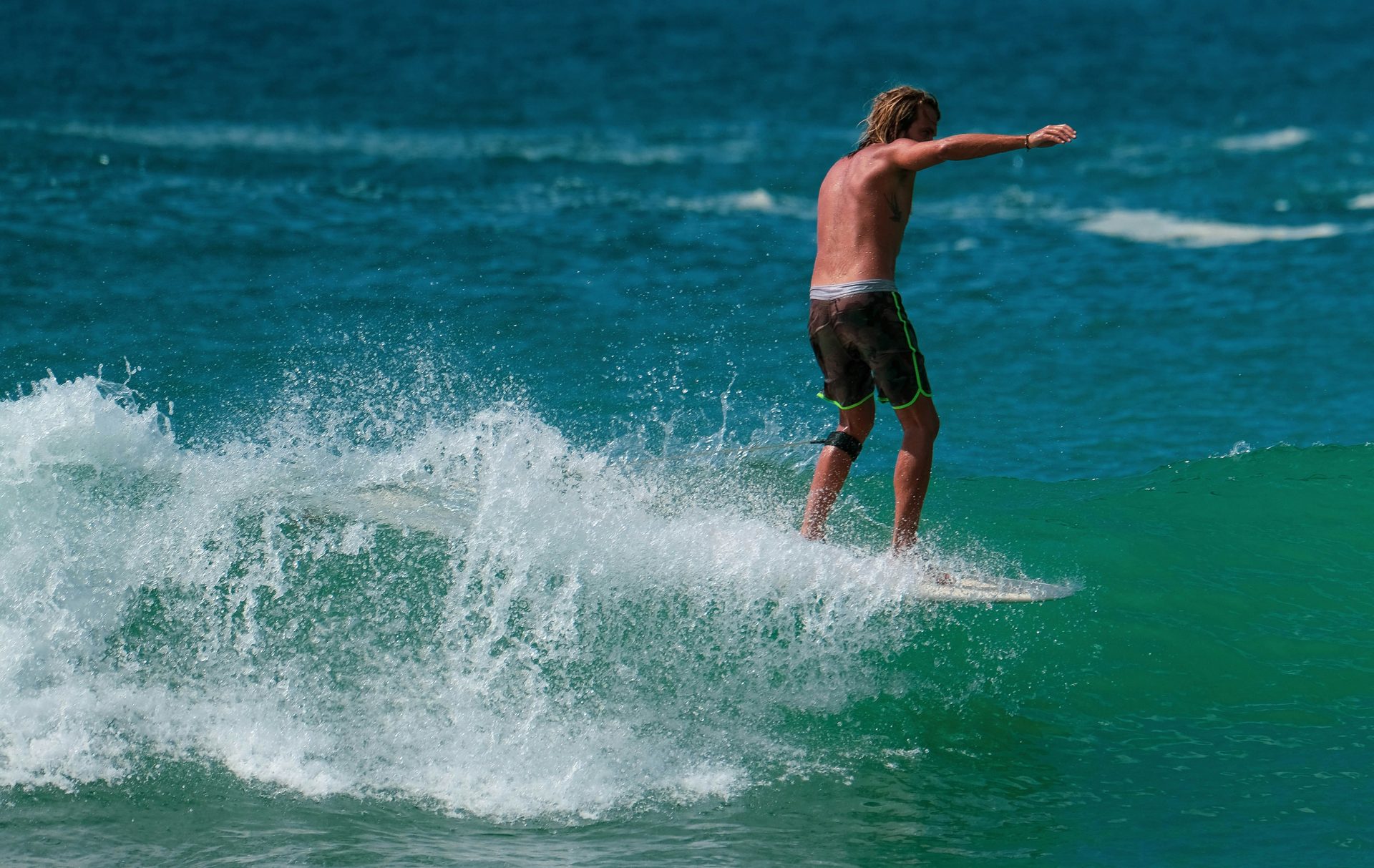
When the season lines up, the waves peel like clockwork. Photo: Croyde Bay / Unsplash
There is no single best time to surf worldwide: it depends on the region, the surf conditions, and your level. As a rule, a destination's surf season is when distant storms send consistent swell and local winds are light or offshore.
Winter generally brings the biggest, most powerful waves to most coastlines, while summer offers smaller waves that are recommended for beginners.
Because the hemispheres are opposite and swells travel across whole oceans, somewhere in the world is always in season.
The most common mistake when planning a surf trip is choosing a destination before checking whether the season matches your travel dates. Understanding the ideal time to visit a destination can make the difference between average waves and excellent surfing. Good timing almost always beats simply choosing a famous surf spot. The good news: surf seasons are predictable, because they're driven by large-scale weather patterns that repeat every year.
On Wave Safari, every destination and spot lists its best season, so you can plan around when the waves actually work rather than guessing. Here's the thinking behind those recommendations.
Three ingredients combine to make good surf, and a "season" is simply the time of year they line up:
Rule of thumb: bigger waves in winter, gentler waves in summer. Beginners should generally travel in a destination's shoulder or summer season; experienced surfers chasing power travel in winter.
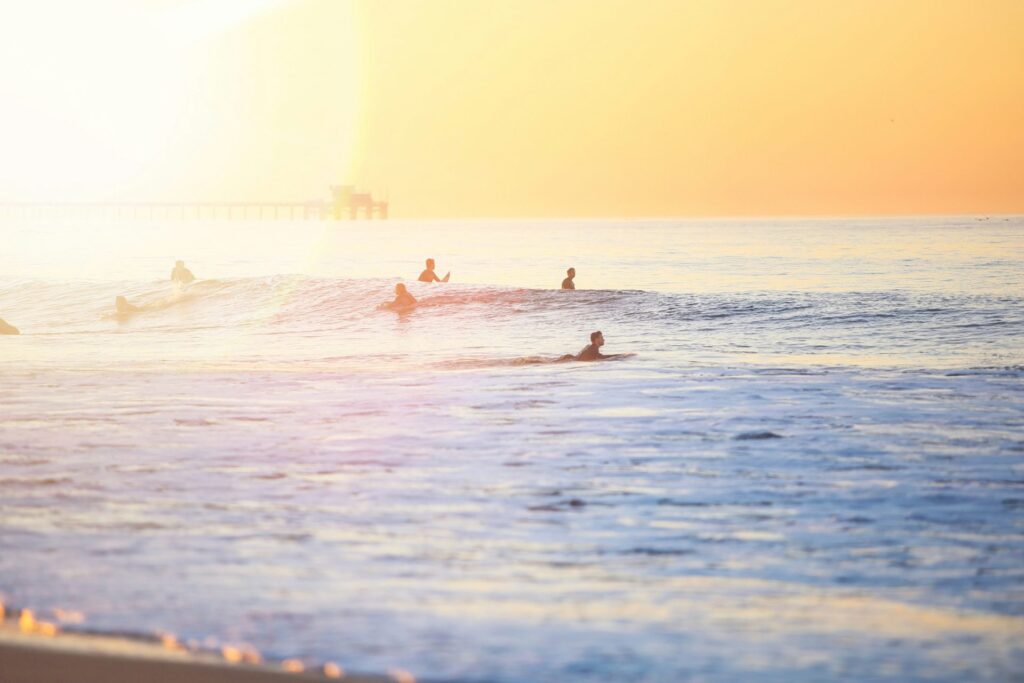
Golden evening light over the lineup — the reward for timing your trip right. Photo: Austin Neill / Unsplash
Prime time for the Northern Hemisphere. In Europe's Atlantic coast (Portugal, Spain, France, Ireland, Morocco), during these months, swells are generally more consistent, creating some of the year's best surf opportunities. Hawaii's North Shore reaches its famous peak. Central America's Pacific coast and the Caribbean season also fall in this window. This is winter-power season for experienced surfers, and the Algarve and Morocco stay warm enough to be comfortable.
A sweet spot in many regions. Europe quietens down with smaller, warmer, friendlier waves — great for improving intermediates and beginners avoiding crowds. Indonesia's dry season begins around April, kicking off the legendary Bali and Mentawai season. Water warms across the Northern Hemisphere.
The headline season for Indonesia, the wider Indian Ocean and the Pacific. Bali, the Mentawais, Sri Lanka's south coast and the Maldives are at their best, fed by powerful Southern Ocean swells. It's also summer in the Northern Hemisphere, meaning small, clean, warm-water waves perfect for learning in Europe and North America.
For many surfers, this is the ideal time of year. The Atlantic comes back to life with the first proper swells, the water is still warm from summer, the crowds thin out and the wind is often favorable. Portugal and France in September and October are hard to beat. Hurricane swells light up the US East Coast and Caribbean.
Your level should steer your timing as much as your destination:
Reverse the usual planning process. Decide when you can travel, find which destinations are in season then, and choose from those. It's the single best way to guarantee waves. Our month-by-month "Where to Surf in [Month]" guides do exactly this, and every destination page on Wave Safari lists its best season so you can plan with confidence.
It depends on the region. Most coastlines get their biggest, most consistent waves in winter and their gentlest waves in summer. Because the hemispheres have opposite seasons, somewhere in the world is always in prime surf season — the key is matching your travel dates to a destination that's working then.
Travel in a destination's summer or shoulder season, when waves are smaller and more forgiving. Examples include Portugal in summer, Sri Lanka's south coast in the dry season, and Bali's beginner beach breaks. Avoid peak winter swells until you're more experienced.
The powerful season on Europe's Atlantic coast runs roughly October to March, with September and October offering a great mix of swell and still-warm water. Summer brings smaller, beginner-friendly waves.
Bali's main season is the dry season, roughly May to September, when the west-coast reefs get consistent Southern Ocean swell and offshore winds. The wet season (around November to March) favors the east coast and gentler beach breaks.
Yes, but tide is a daily factor rather than a seasonal one. Many spots work best on a specific tide, so once you've picked your season and destination, check each spot's best tide — the conditions are listed on every Wave Safari spot page.
Know when you can travel? Explore destinations by season on Wave Safari and find where the waves will be working when you are.
Get the timing right and the ocean does the rest. Somewhere out there is in season right now.
From Portuguese barrels and Basque rivermouths to Irish slabs and Canary Island reefs — the waves that make Europe a surf continent in its own right.
Great waves don't have to cost a fortune. Seven destinations where your money buys more time in the water.
Barrel, offshore, goofy, set — decode the language of the lineup so you sound like you belong
From a vague urge to chase waves to a booked trip that actually delivers. Here's the order to do it in.
The right wetsuit keeps you in the water longer. Here's exactly what to wear, by degree.
The ocean has rules nobody prints on a sign. Learn them and you'll be welcome anywhere.
Everything you need to bring for your next surf trip, including the small surf trip essentials first-timers always forget.
Why some waves are gentle and others are heavy comes down to what's under the water. Here's how to read them.
What beginner, intermediate and advanced really mean in the water — and how to know which one you are.
Not a hotel, not quite a hostel: is where surf trips actually happen. Here's what makes one.