From Portuguese barrels and Basque rivermouths to Irish slabs and Canary Island reefs — the waves that make Europe a surf continent in its own right.
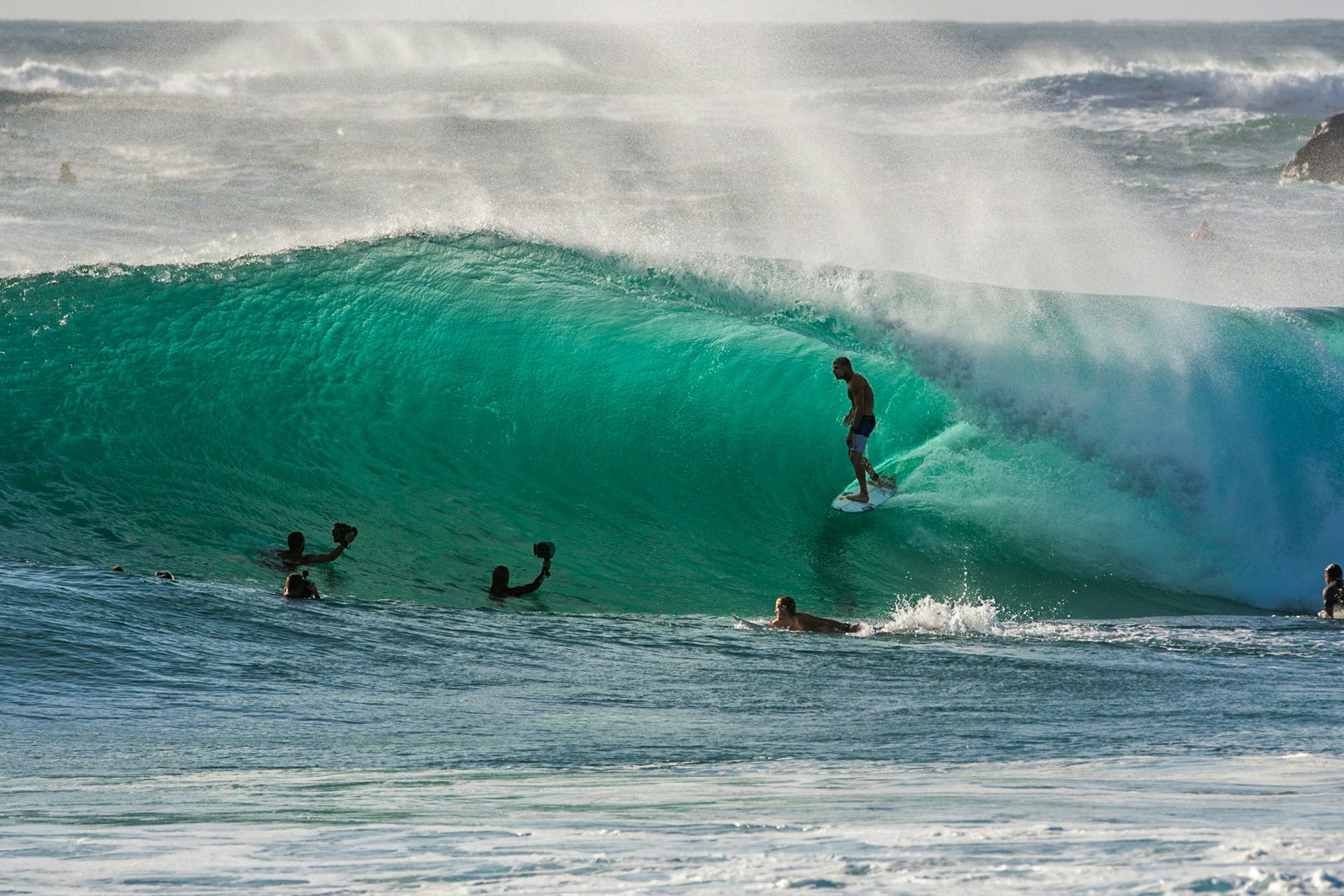
A reef break throwing a clean, hollow barrel. Photo: Brandon Compagne / Unsplash
A surf break is the place where waves begin to break as they reach shallow water. The three main types are beach breaks (waves break over sand, shifting and generally beginner-friendly), reef breaks (waves break over coral or rock, more consistent and powerful but less forgiving) and point breaks (waves wrap around a headland or point and peel in one direction, giving long rides). The shape of the seabed determines how waves break, how powerful it is and which surfers it suits.
Understanding the different surf breaks helps you choose the best surf conditions for your ability and enjoy a safer, more rewarding surfing experience.
A wave is just energy traveling through water. The shape of the seabed is what causes a wave to break and determines the type of wave you'll ride. It only becomes rideable when it reaches shallow water and begins to break. Whether waves break over a sandy bottom, rock or coral reef determines how they form, how powerful they become and how predictable they are. Understanding the different types of surf breaks will help you recognize which surf spot suits your level.
Every spot on Wave Safari lists its break type alongside the wave direction, bottom and recommended level, so you always know what you're paddling into.
Beach breaks occur where waves break over a sandy bottom. Because the sand constantly moves, beach breaks can produce different types of waves depending on tides, swell direction and currents, but the soft sandy bottom makes them the safest place to learn. Most surf schools and surf camps are located at beach breaks because they're ideal for beginners and surfers of all skill levels.
Beach breaks are the best classrooms in surfing: a sandy bottom means a fall is rarely more than a tumble. Start here.
Reef breaks form where waves break over coral or rock. Because the bottom doesn't move, waves tend to break in the same place with a consistent shape, which makes reef breaks predictable and often very high quality. The trade-off is the hard, frequently shallow bottom, which punishes mistakes. These high-quality surf conditions often produce hollow waves, barreling waves and some of the heaviest and most dangerous waves in the world.
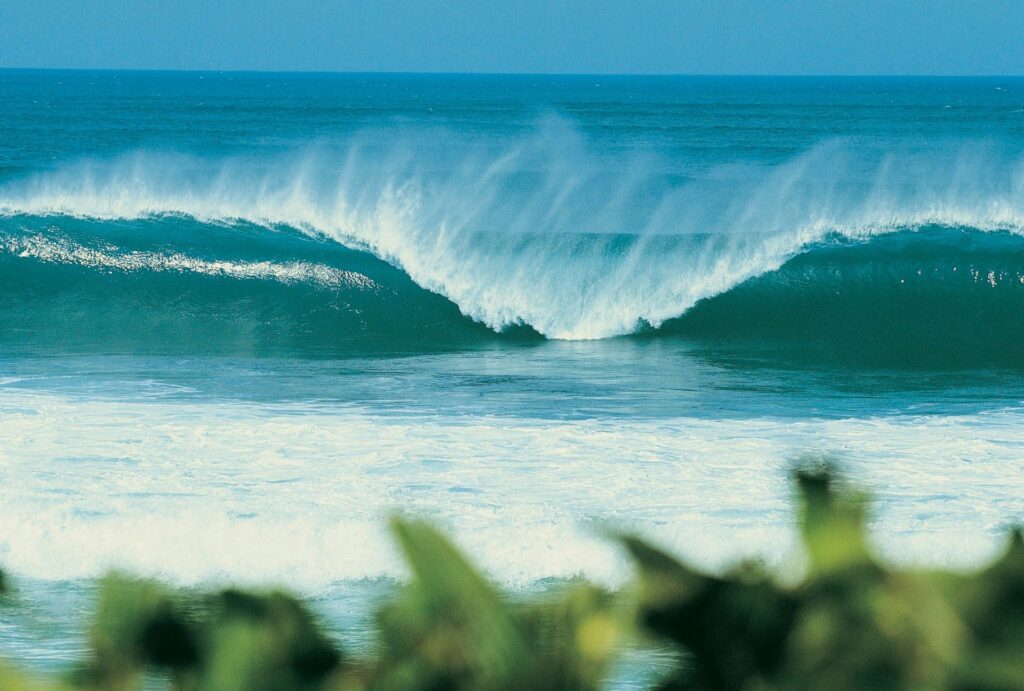
The same swell, peeling gently along a sandy beach break. Photo: Getty Images X7nk V / Unsplash
Point breaks form where a swell wraps around a headland, point or jetty and peels along it in one direction. Because the wave breaks progressively down the line rather than all at once, point breaks can offer some of the longest and most enjoyable rides in surfing. They can break over sand, rock or reef, and the best ones are the stuff of legend.
Beyond the big three, you'll come across a handful of related terms. A river-mouth break forms where sand deposited by a river creates a sandbar. A jetty or groin break is shaped by man-made structures. A slab is a heavy, thick wave that breaks over a very shallow reef. And a wave's direction matters: a right-hander peels to the surfer's right (to the left as you watch from the beach), a left-hander the opposite. Our surfing glossary explains the rest.
Match the type of break to your skill level. Beginners belong at gentle beach breaks. Improving intermediates can explore mellow points and forgiving reefs. Advanced surfers can take on powerful reefs and slabs. Always check the recommended level, the tide and the hazards for a specific spot before paddling out — the bottom that makes a wave great can also make it dangerous.
A beach break breaks over sand, which shifts and makes the waves less predictable but provides a softer landing when you fall, so it's beginner-friendly. A reef break breaks over fixed coral or rock, making it consistent and often powerful but hazardous, so it suits confident intermediates and advanced surfers.
A point break is where a swell wraps around a headland or point and peels along it in one direction, producing long rides. Point breaks can form over sand, rock or reef and range from mellow, beginner-friendly waves to world-class advanced waves.
Beach breaks with a sandy bottom and small waves are best for beginners, because falls are softer and surf schools cluster there. Avoid reef breaks until your skills and wave-reading are solid.
Because the reef bottom doesn't move, waves break in the same place with the same shape every time. A beach break's sandy bottom shifts with tides and storms, so its waves are less predictable.
It describes the direction the wave peels from the surfer's point of view while riding. A right-hander peels to the surfer's right, a left-hander to the surfer's left. From the beach it looks the opposite way around.
Now you can read a lineup. Explore spots by break type, wave direction and level on Wave Safari and find the waves that suit you best.
Sand to learn, reef to dream, points to remember. Go find your break.
From Portuguese barrels and Basque rivermouths to Irish slabs and Canary Island reefs — the waves that make Europe a surf continent in its own right.
Great waves don't have to cost a fortune. Seven destinations where your money buys more time in the water.
Barrel, offshore, goofy, set — decode the language of the lineup so you sound like you belong
From a vague urge to chase waves to a booked trip that actually delivers. Here's the order to do it in.
The right wetsuit keeps you in the water longer. Here's exactly what to wear, by degree.
The ocean has rules nobody prints on a sign. Learn them and you'll be welcome anywhere.
Everything you need to bring for your next surf trip, including the small surf trip essentials first-timers always forget.
What beginner, intermediate and advanced really mean in the water — and how to know which one you are.
Why timing matters more than destination — and how to find good waves somewhere in the world every month.
Not a hotel, not quite a hostel: is where surf trips actually happen. Here's what makes one.