From Portuguese barrels and Basque rivermouths to Irish slabs and Canary Island reefs — the waves that make Europe a surf continent in its own right.
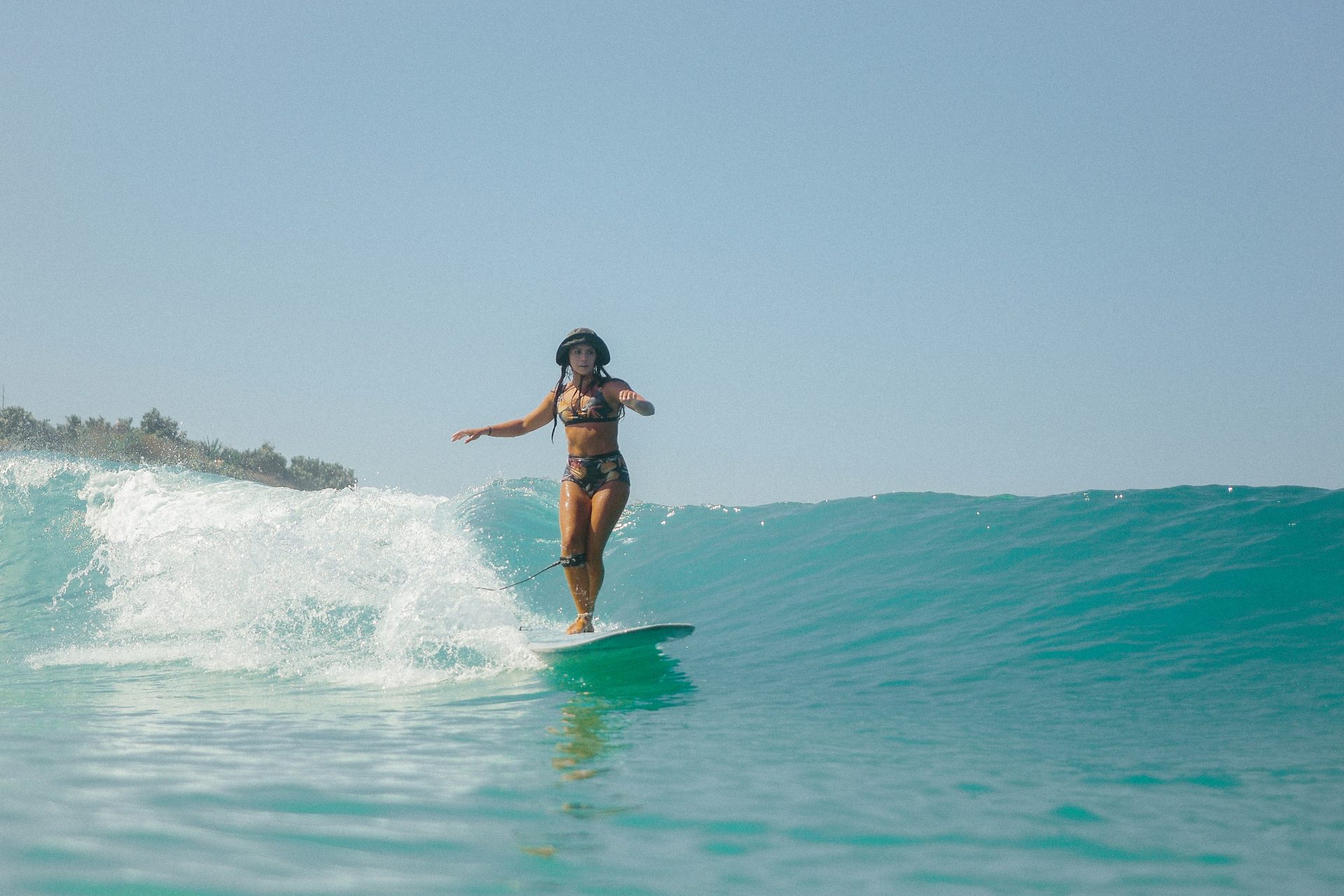
Reading the wave and trimming the line — the intermediate's craft. Photo: Fellipe Ditadi / Unsplash
Surfing skill levels describe how much of the sport you've mastered and provide a practical way to measure your progress throughout your surfing journey. If you're new to surfing, understanding the different skill levels helps you choose the right waves, improve safely, and set realistic goals.
Beginners ride whitewater and are learning to stand up, catch waves, and build confidence on their surfboard. Intermediate surfers catch unbroken (green) waves, angle their takeoff, improve their wave selection, and start linking turns. Advanced surfers confidently ride challenging waves, perform advanced techniques and read almost any lineup.
Surfing has no referee, but the ocean enforces its own rules. Paddle out somewhere beyond your surfing skill level and you'll struggle to catch waves, become a danger to yourself and others, and ignore basic surf etiquette.
Knowing surfing skill levels matters because it determines which waves, surf conditions, and destinations are safe, enjoyable, and appropriate for your current experience in the water.
Choosing surf conditions that match your ability helps you progress faster, build confidence, and improve your technique session after session. Every milestone in your surfing journey comes from surfing the right waves—not simply the biggest ones.
On Wave Safari, surf spots are tagged according to the recommended surfing skill levels, making it easier to find waves that fit your experience and help you progress safely.
You're learning the fundamentals: paddling, popping up, balance, and catching whitewater. A beginner is anyone from their first surf lessons to someone who can consistently stand up and is beginning to ride small green waves.
With limited experience, your focus should be on developing confidence rather than chasing bigger waves.
You're still learning until your pop-up becomes automatic and you can comfortably ride green waves with control. Every surfer starts here.
This is the longest stage in the levels of surfing—and often the most rewarding.
Intermediate surfers paddle into green waves, angle the takeoff, and ride the face in both directions. You're developing wave knowledge, improving your wave selection, and learning how to generate speed and flow across the wave.
Most surfers spend years at this stage because there's always another skill to develop.
At this stage, improving your skills is less about standing up and more about reading the ocean, making better decisions, and surfing with greater control.
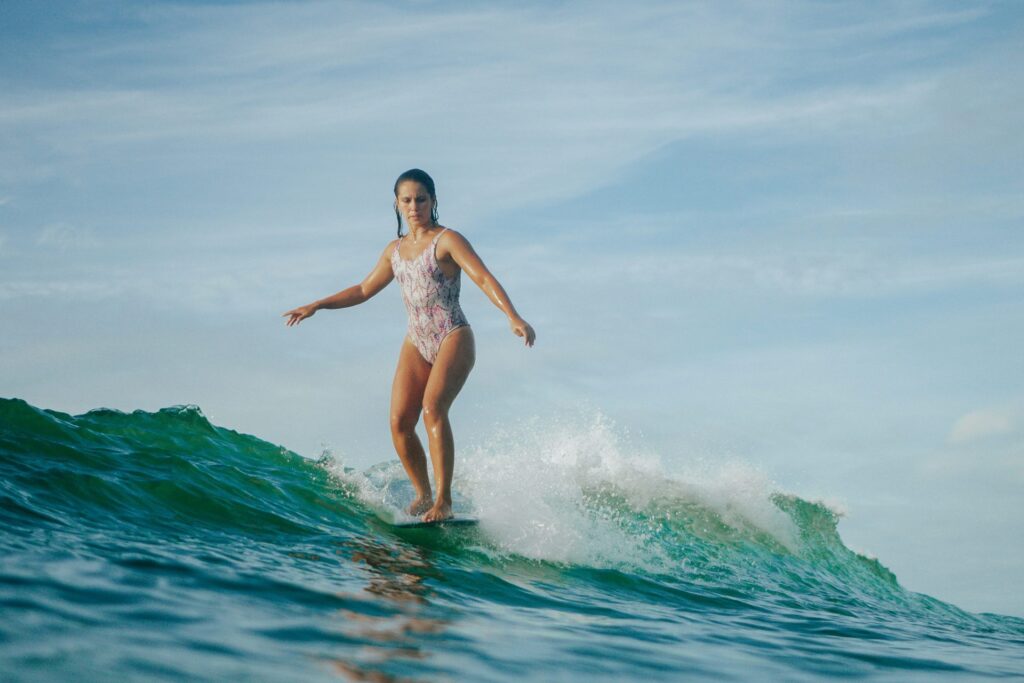
Advanced surfers feel comfortable in almost any lineup. They understand priority, respect surf etiquette, and adapt quickly to various conditions.
Being an advanced surfer doesn't necessarily mean competing at a professional level. It means being highly skilled, making smart decisions, and remaining safe in powerful surf.
Advanced surfers typically:
The best way to assess your skills is through honest self-assessment.
Ask yourself:
If you answer "not yet" to several of these questions, you're probably still learning—and that's perfectly normal.
When in doubt, choose the lower surfing skill level. Always prioritize safety.
Progress comes from consistency—not from surfing the biggest waves.
To help you progress:
Use the level tags on Wave Safari to find spots and surf houses that match where you are now and stretch you toward the next stage.
Beginners ride whitewater and are learning the pop-up. Intermediates catch unbroken green waves and ride along the face in both directions. Advanced surfers handle powerful, hollow and overhead waves with control and read any lineup. If unsure, assume the lower level for safety.
With regular surf sessions, many surfers reach the intermediate level within several months to a year. However, becoming truly comfortable surfing different wave sizes and various conditions often takes years of surfing.
For most surfers, the hardest milestone is moving from whitewater to consistently catching and riding green waves. This requires timing, positioning, wave knowledge, and confidence. It's also the stage where surf lessons and coaching usually provide the biggest improvement.
Generally no. Reef breaks are over hard, often shallow bottoms and demand accurate positioning. Beginners should learn on gentle, sandy beach breaks. Some mellow reef breaks suit improving intermediates, but always check the spot's recommended level.
Any level. If you're new to surfing, choose beginner-friendly destinations with gentle beach breaks and surf lessons. More experienced surfers can look for larger waves and more challenging surf conditions.
The most important thing is choosing waves that match your surfing skill level.
Find waves that fit you. Explore spots and surf houses by skill level on Wave Safari and surf the conditions that make you better.
Wherever you are on the curve, the next session is the one that moves you along it. Paddle out.
From Portuguese barrels and Basque rivermouths to Irish slabs and Canary Island reefs — the waves that make Europe a surf continent in its own right.
Great waves don't have to cost a fortune. Seven destinations where your money buys more time in the water.
Barrel, offshore, goofy, set — decode the language of the lineup so you sound like you belong
From a vague urge to chase waves to a booked trip that actually delivers. Here's the order to do it in.
The right wetsuit keeps you in the water longer. Here's exactly what to wear, by degree.
The ocean has rules nobody prints on a sign. Learn them and you'll be welcome anywhere.
Everything you need to bring for your next surf trip, including the small surf trip essentials first-timers always forget.
Why some waves are gentle and others are heavy comes down to what's under the water. Here's how to read them.
Why timing matters more than destination — and how to find good waves somewhere in the world every month.
Not a hotel, not quite a hostel: is where surf trips actually happen. Here's what makes one.