From Portuguese barrels and Basque rivermouths to Irish slabs and Canary Island reefs — the waves that make Europe a surf continent in its own right.
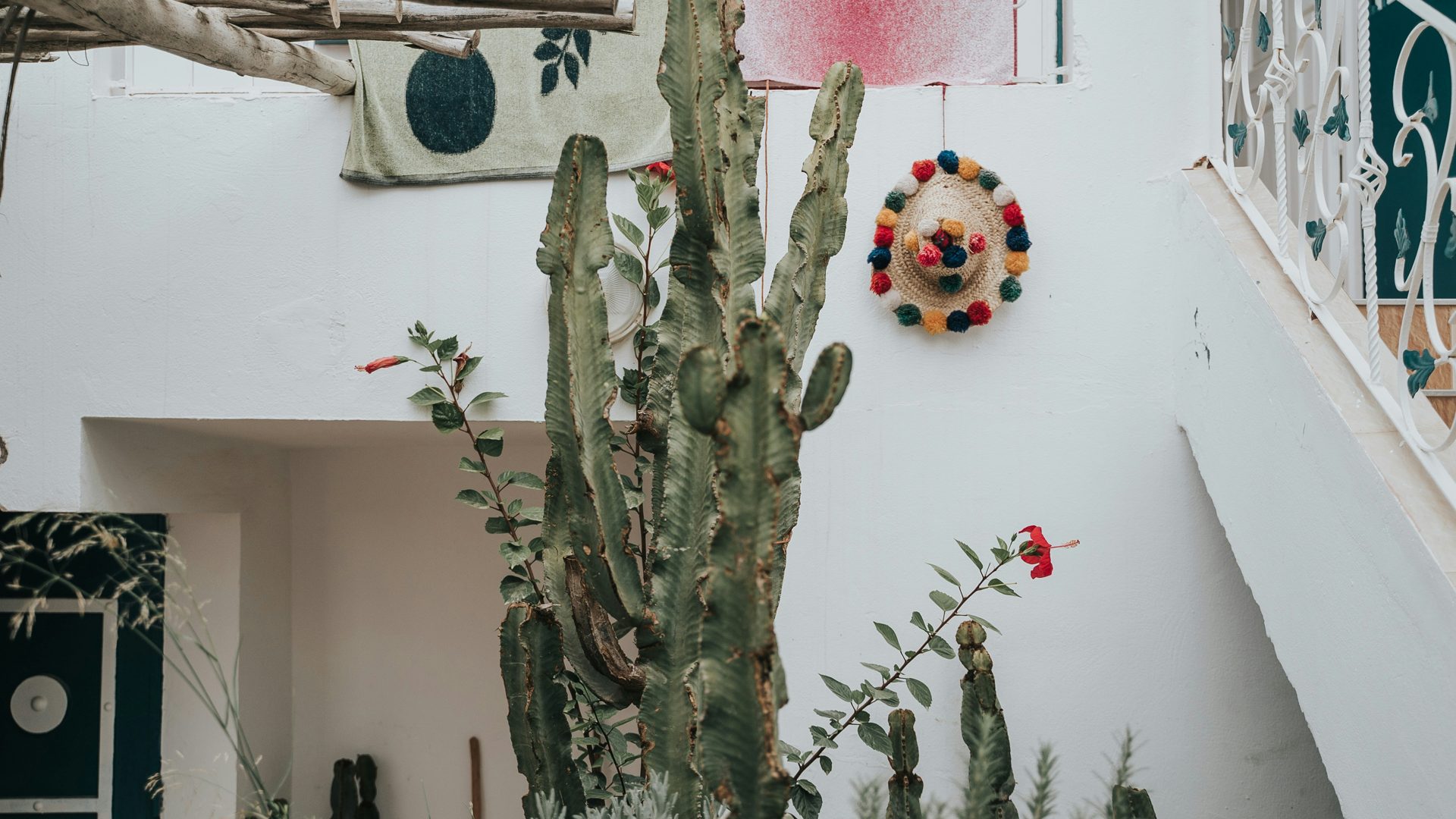
A surf house is a place with salt in the air and boards by the door. Photo: Chris Rosiak / Unsplash
A surf house is accommodation built around surfing and community, located close to the waves. It sits between a hotel and a hostel: more personal and social than a hotel, more comfortable and surf-focused than a typical hostel. It's run by people who surf and often offers board storage, local knowledge, communal meals, equipment rental and lessons, and exists to make surfing the center of your stay. Unlike a surf camp, is usually booked flexibly rather than as a fixed package.
Ask experienced surf travelers about their best trips and they rarely talk about the hotel. They talk about the house — the communal dinners, the dawn patrols organized over breakfast, the host who told them which break would be firing that afternoon, the friendships made at the table. The surf house is the quiet engine of surf travel and one of the most authentic ways to experience a surf holiday, yet it's still a category most booking sites don't really understand.
Defined less by its facilities than by its soul, it's a place where surfing is the organizing principle: boards by the door, sand on the floor, salt in the air and people who care about the ocean. On Wave Safari, we map surf houses worldwide with the nearby breaks, the vibe and honest community context, because where you stay shapes the whole surfing experience and often determines whether a trip becomes truly unforgettable.
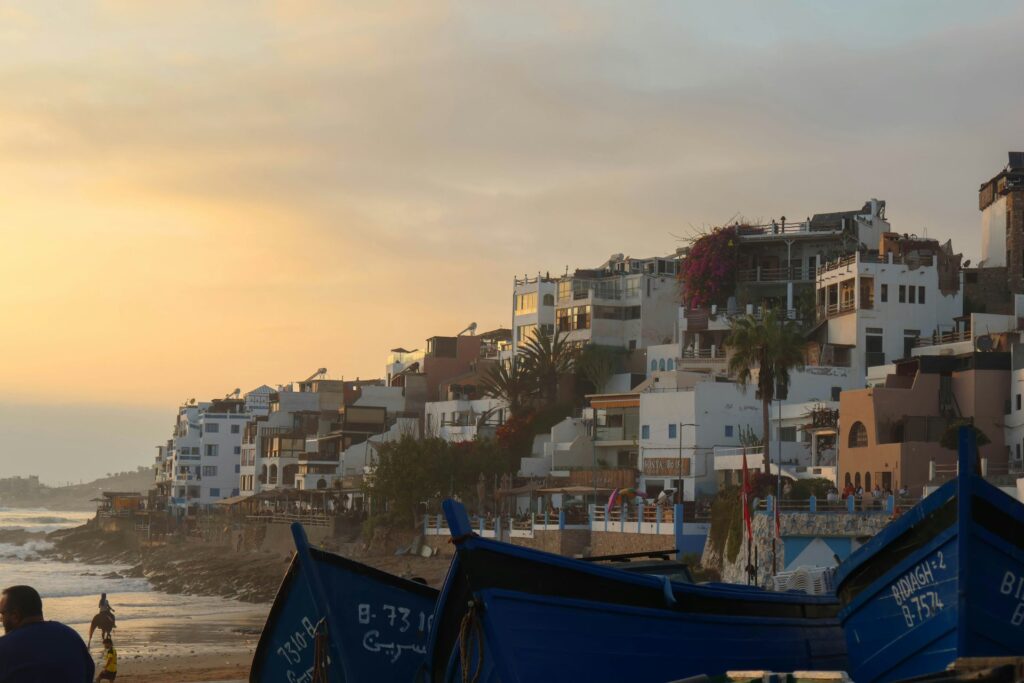
The right base puts the lineup just down the hill. Photo: Aleksander Stypczynski / Unsplash
A hostel is built around cheap beds and is hit or miss for surfers — some are surf hostels, most aren't. A hotel is built around private comfort and rarely caters specifically to surfers. A surf house is built around a genuine passion for surfing: the location, schedule, local knowledge and community all assume you're there to chase waves. You can find dorm-style accommodations at hostel prices and boutique locations that rival hotels, but the common thread is the surf focus.
The two overlap and the words are often used loosely. The practical difference is the package. A surf camp sells you a fixed bundle — lessons or guiding, accommodation and community for a set stay. A surf house sells you the stay, with surf services available alongside but usually booked flexibly. If you want a base with surf soul, flexibility and everything you need to organize your days independently, it's often the ideal choice. If you want everything organized and a structured week, lean toward a camp. Our guide to surf camps covers the other side of this.
Surf houses work for almost everyone, which is their appeal. Beginners and first-timers get local advice, nearby surf schools and opportunities to learn to surf in a relaxed environment. Intermediate and experienced surfers get a knowledgeable base without the fixed schedule of a camp, allowing them to improve their skills at their own pace. Solo travelers get instant community. Couples and small groups get character and a sense of place that a chain hotel can't match. The key is choosing one that matches both your level and the kind of trip you want.
Every surf house on Wave Safari shows the spots nearby, the skill levels they suit and what's on offer, with photos and reviews from surfers who've actually stayed. Consider the overall surfing vibe of the destination — some places focus on nightlife and social events, while others specialize in wellness, yoga and slower-paced surf travel.
A surf camp is a fixed package of accommodation plus lessons or guiding plus community for a set stay. A surf house is accommodation built around surfing that you usually book flexibly, with surf services available but not necessarily bundled. It gives you more freedom, while camps are more structured.
Often, yes. They range from budget dorm-style stays to boutique options, and because they're usually small and independent they tend to offer better value than hotels in the same surf town, plus surf-specific perks a hotel won't have.
Many do, either in-house or through a partner school, even when lessons aren't part of a fixed package. If learning is your priority, check before booking, or consider a beginner surf camp instead.
They can be, especially for couples or friends where one person surfs. The social, relaxed atmosphere and good locations appeal beyond surfing, though the rhythm of the house will revolve around the waves.
Look for one close to breaks that suit your level and season, with the practical surf facilities you need and strong reviews for the host and vibe. Wave Safari maps surf houses worldwide with the nearby spots and community reviews to make this easy.
Find your base. Browse surf houses worldwide on Wave Safari, each mapped to the breaks nearby and reviewed by surfers who've stayed there.
Book the right house and the trip takes care of itself. See you at the dinner table.
From Portuguese barrels and Basque rivermouths to Irish slabs and Canary Island reefs — the waves that make Europe a surf continent in its own right.
Great waves don't have to cost a fortune. Seven destinations where your money buys more time in the water.
Barrel, offshore, goofy, set — decode the language of the lineup so you sound like you belong
From a vague urge to chase waves to a booked trip that actually delivers. Here's the order to do it in.
The right wetsuit keeps you in the water longer. Here's exactly what to wear, by degree.
The ocean has rules nobody prints on a sign. Learn them and you'll be welcome anywhere.
Everything you need to bring for your next surf trip, including the small surf trip essentials first-timers always forget.
Why some waves are gentle and others are heavy comes down to what's under the water. Here's how to read them.
What beginner, intermediate and advanced really mean in the water — and how to know which one you are.
Why timing matters more than destination — and how to find good waves somewhere in the world every month.