From Portuguese barrels and Basque rivermouths to Irish slabs and Canary Island reefs — the waves that make Europe a surf continent in its own right.
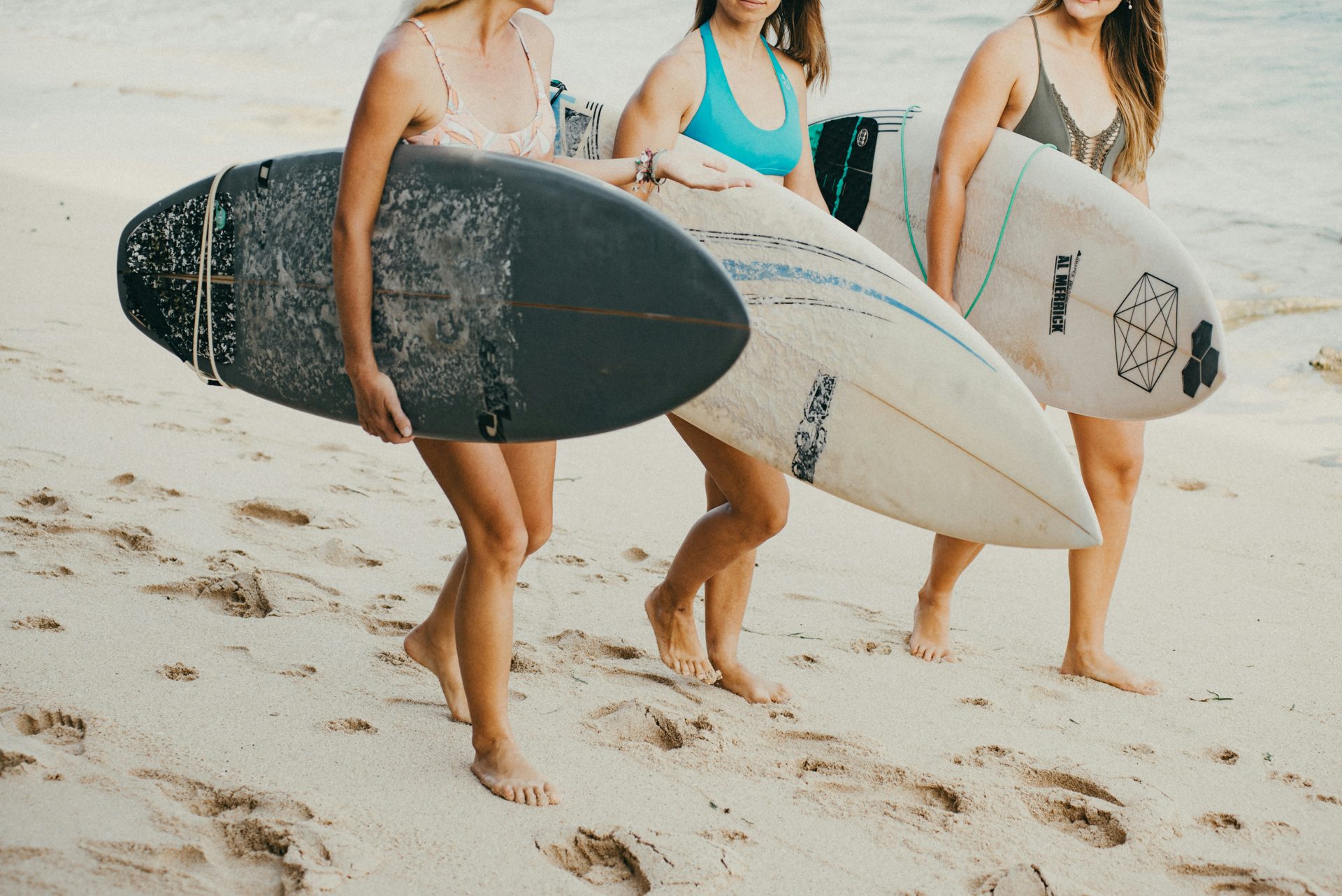
A good surf camp turns strangers into a crew within a day. Photo: Didi Paul / Unsplash
A surf camp is a package trip that combines accommodation, surf lessons or guiding and a built-in community of fellow surfers, usually for a set number of nights. Most include daily coaching, board and wetsuit use, breakfast and transport to the best breaks each day. Surf camps range from social beginner camps with dorms and group lessons to quiet performance camps for experienced surfers. They're the easiest way to learn or to travel solo without surfing alone.
A surf camp bundles the three things a surf trip needs — somewhere to sleep, time in the water with guidance, and people to share it with — into one booking. Instead of arranging a hotel, finding a school, renting a board and figuring out where to surf each day, you arrive and it's handled. For beginners, that removes almost every barrier to learning to surf. For solo travellers or anyone looking to meet like-minded people, it means you're never surfing or eating alone.
On Wave Safari we list surf camps and surf houses worldwide, each with the nearby breaks, skill levels and amenities mapped, so you can see exactly what a camp offers before you book.
Most surf camps include lodging, daily surf coaching and access to local surf instructors who know the area's conditions inside out. Depending on the destination and your surf level, packages may also include surf guiding, yoga classes, airport transfers and equipment rental.
Always check what's actually included. "Surf camp" is not a regulated term — two camps at the same price can offer very different things. The listings on Wave Safari spell out amenities so there are no surprises.
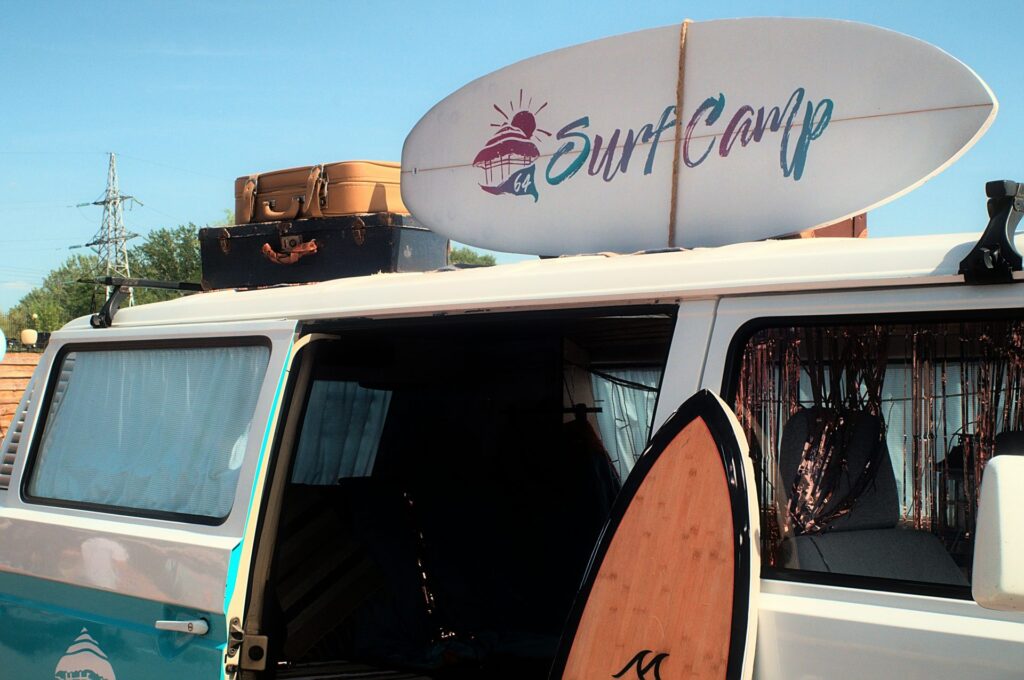
Camp life: boards, a van and somewhere to dry your wetsuit. Photo: Artem Labunsky / Unsplash
Surf camps for beginners are often the fastest and most enjoyable way to learn how to surf. A qualified instructor will guide you through ocean safety, surf etiquette, paddling techniques and pop-up practice before taking you into the water. Most camps focus on gentle beach breaks with consistent waves that make learning easier and safer.
Intermediate surfers and advanced riders benefit from local knowledge that would take weeks to acquire independently. Experienced surf instructors and guides know which surf spots are working best based on tides, swell direction and wind conditions. Performance-focused camps often combine surf coaching, video analysis and surf guiding to help guests improve their surfing faster.
Surf camps offer a built-in community. For many travellers, the social aspect becomes one of the most memorable parts of the surf camp experience. Shared meals, daily surf sessions and evenings spent with fellow surfers often lead to friendships that last well beyond the trip itself.
These terms overlap, so here's the practical difference. A surf camp is package-focused: lessons or guiding plus accommodation plus community, usually for a fixed stay. A surf house is a surf-focused place to stay near the waves, often flexible, sometimes with lessons available but not always bundled. A surf resort is the higher-end, more hotel-like version, with private rooms, better facilities and a higher price. Read our companion guide on what a surf house is to see which suits your trip.
Prices vary hugely by region and comfort level. As a rough guide, expect from around €30 to €50 a night for a social dorm-based camp in an affordable destination like Morocco, Portugal or Sri Lanka, €60 to €120 a night for a private room with lessons included, and €150 a night and up for boutique or performance camps with full board and coaching. Cheaper destinations stretch your budget further, which is why places like Taghazout and Weligama are so popular.
Choosing the right camp can make the difference between a good holiday and an unforgettable surf adventure. The best camps match your surf level, preferred atmosphere and travel goals.
Every Wave Safari listing shows the nearby spots, skill levels and amenities, so you can match a camp to your ability and the right season before you commit.
You book a stay (often 5 to 7 nights), arrive, and the camp provides accommodation, daily lessons or guided sessions, boards and transport to the best waves. Days usually follow a rhythm of morning surf, lunch, free time or a second session, then a shared dinner. Everything surf-related is organized for you.
No. Most surf camps cater to newcomers with daily lessons and soft-top boards. In fact, a beginner camp is one of the best ways to learn from scratch. Just check that the camp caters to your level, as some performance camps are aimed at experienced surfers only.
Anywhere from about €30 a night for a social dorm-based camp in an affordable destination to €150 or more a night for a boutique or performance camp with full board and coaching. Destination and comfort level are the biggest factors.
A surf camp is a package of accommodation plus lessons or guiding plus community, usually for a fixed stay. A surf house is a place to stay with a surf focus that you can often book flexibly, with lessons sometimes available but not always bundled in.
Yes — they're one of the best options for solo travel. Shared meals, sessions and transport build instant community, so you meet people quickly and never surf alone.
Browse surf camps and surf houses worldwide on Wave Safari, filtering by destination, surf level and nearby waves to find the one that fits your trip.
Pick your level, pick your season, and let the camp handle the rest. The waves are waiting.
From Portuguese barrels and Basque rivermouths to Irish slabs and Canary Island reefs — the waves that make Europe a surf continent in its own right.
Great waves don't have to cost a fortune. Seven destinations where your money buys more time in the water.
Barrel, offshore, goofy, set — decode the language of the lineup so you sound like you belong
From a vague urge to chase waves to a booked trip that actually delivers. Here's the order to do it in.
The right wetsuit keeps you in the water longer. Here's exactly what to wear, by degree.
The ocean has rules nobody prints on a sign. Learn them and you'll be welcome anywhere.
Everything you need to bring for your next surf trip, including the small surf trip essentials first-timers always forget.
Why some waves are gentle and others are heavy comes down to what's under the water. Here's how to read them.
What beginner, intermediate and advanced really mean in the water — and how to know which one you are.
Why timing matters more than destination — and how to find good waves somewhere in the world every month.