Great waves don't have to cost a fortune. Seven destinations where your money buys more time in the water.
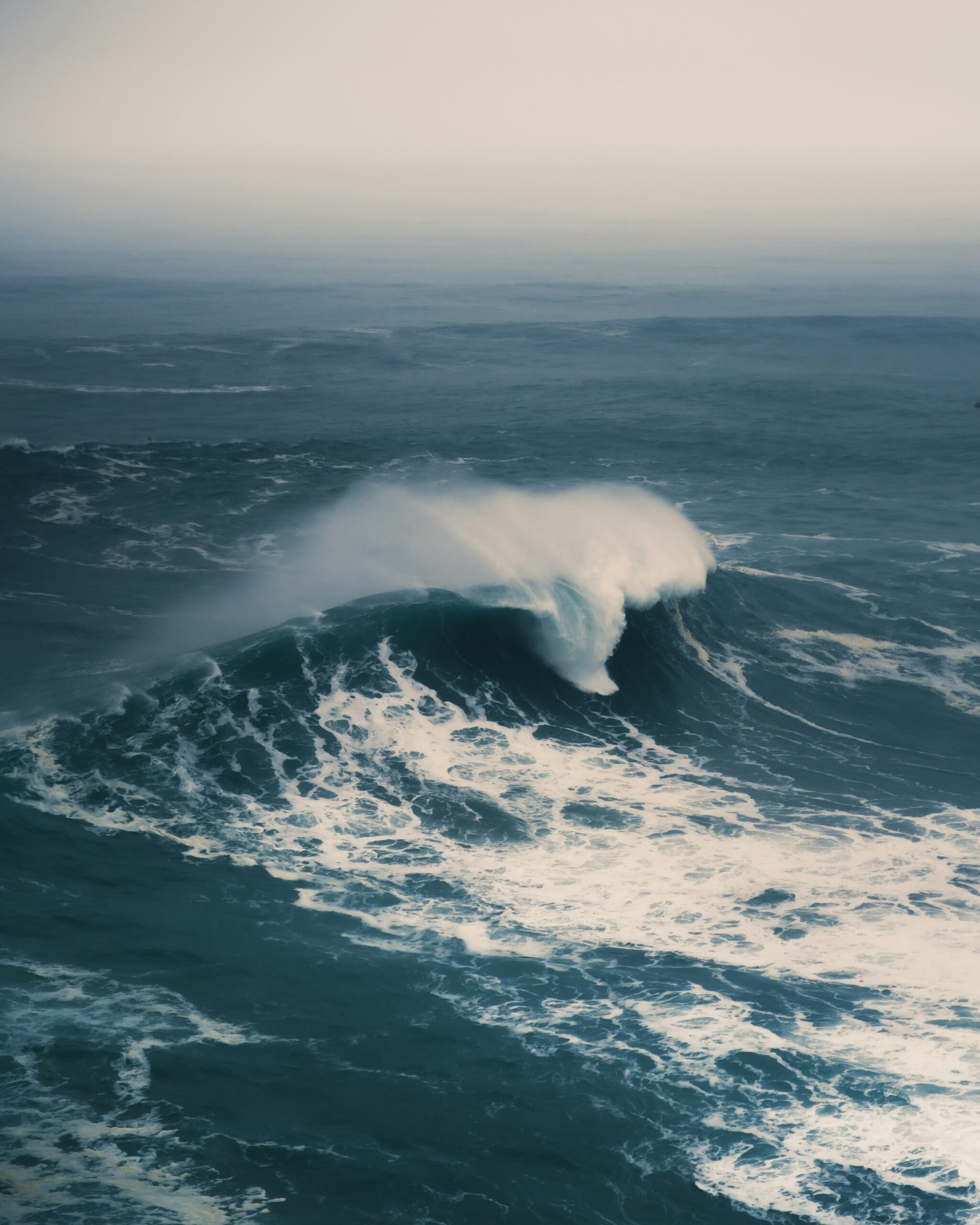
The Atlantic delivers Europe's power from September onward.
Photo: Daniel J Schwarz O7p H / Unsplash
The best surf spots in Europe are found along the Atlantic coast and across the Canary Islands. The standouts are Mundaka in Spain, Supertubos, Coxos and Nazare in Portugal, Hossegor in France, Aileens and Bundoran in Ireland, Fistral in the UK and El Quemao in the Canaries. Portugal, Spain, France and Ireland offer the greatest concentration of quality waves, from beginner-friendly beaches like Somo and Zarautz to expert slabs. The Atlantic fires hardest September to April; summer brings small, warm, beginner-friendly waves.
This continent surprises people. A short flight can put you within easy reach of world-class waves, a deep culture and some of the best places to surf in Europe. This guide runs country by country through the continent's standout spots, each linked to its full page on Wave Safari and tagged by level. Time it with our best time to surf guide and you'll score.
Europe combines an exceptional variety of surf spots, reliable Atlantic swell, strong infrastructure and relatively short travel distances. In a single trip, surfers can move from beginner-friendly beach breaks to world-class reef breaks, making it one of the best places in Europe to catch waves regardless of skill level. From the warm waters of the Canary Islands to the powerful winter swells of Ireland and Portugal, European surfing locations offer remarkable wave diversity for beginners, intermediate surfers and experts alike.
Europe combines an exceptional variety of surf spots, reliable Atlantic swell, strong infrastructure and relatively short travel distances. In a single trip, surfers can move from beginner-friendly beach breaks to world-class reef breaks, making it possible to experience the best places in Europe to catch waves regardless of skill level.
From the warm waters of the Canary Islands to the powerful winter swells of Ireland and Portugal, European surfing locations offer remarkable wave diversity for beginners, intermediate surfers and experts alike.
Supertubos (Peniche) is a hollow, powerful sandy beach break that barrels hard and hosts the world tour, the "Portuguese Pipeline". Coxos at Ribamar near Ericeira is one of Europe's best right-hand point breaks, a fast, powerful wall over flat rock, while nearby Ribeira D'Ilhas is the long, forgiving right that suits improvers and hosts contests.
Nazare (and its Praia do Norte peak) funnels Atlantic swell through an underwater canyon to create the biggest rideable waves on Earth, a bucket-list spectacle. Closer to Lisbon, Carcavelos is a punchy, accessible beach break that works right by the city.
Portugal consistently ranks among the destinations offering the best surfing in Europe thanks to its combination of wave quality, high spot density, affordable accommodation and excellent surf infrastructure. Beginner-friendly beaches can be found around Peniche, while famous waves can be experienced at Supertubos and Nazare: the country offers one of the widest ranges of surf experiences in Europe.
Mundaka in the Basque Country is one of the finest left-hand rivermouth waves in the world: long, hollow and fast when the sandbar lines up. For learning, Zarautz is a long, fun beach break with a big school scene and Somo near Santander is a mellow, all-tide sandy beach ideal for beginners. In Asturias, Rodiles is a quality rivermouth right for improvers.
Spain is one of the most complete European surf destinations, combining a strong surfing culture, affordable lesson prices and a wide range of wave types. The Basque Country attracts experienced surfers chasing world-class waves, while areas such as Cantabria remain among the best European destinations for beginners looking for friendly waves and quality surf schools.
Hossegor and its famous break, La Graviere, are often considered the beating heart of European surfing, powerful hollow beach breaks that turn on in autumn. Up the coast, Lacanau is a friendlier beach break with a lively summer scene, good for improving surfers.
Ireland's cold-water coastline punches well above its weight: Aileens breaks beneath the Cliffs of Moher, a heavy big-wave reef for experts, while Bundoran is a world-class reef in a friendly surf town. In England, Fistral at Newquay is the UK's best-known beach break and Croyde in Devon a fun, punchy sandy beach.
Europe's warm-water winter option. El Quemao on Lanzarote is a heavy, world-class barrel known as the "Canarian Pipeline", and nearby La Santa offers powerful reef waves for confident surfers, with year-round sun.
New to surfing? Start on the sandy beach breaks: Somo and Zarautz in Spain, Peniche's Baleal in Portugal, Lacanau and the Landes in France in summer, or Fistral in the UK. Save the reefs and slabs for later.
If you're wondering where to surf in Europe, the answer depends on your level, the season and the type of waves you're looking for.
Beginners will find gentle beach breaks and professional surf schools in Portugal, Spain, France and the UK. Intermediate surfers can progress on long point breaks and forgiving reefs, while advanced surfers can chase heavy barrels, remote surf breaks and some of the most challenging waves in the world.
| Spot | Country | Break | Level |
| Supertubos | Portugal | Beach break | All levels |
| Coxos | Portugal | Reef point | Advanced |
| Ribeira D'Ilhas | Portugal | Reef point | Intermediate+ |
| Nazare | Portugal | Beach break | Expert / spectate |
| Carcavelos | Portugal | Beach break | Intermediate+ |
| Mundaka | Spain | Rivermouth left | Advanced |
| Zarautz | Spain | Beach break | Beginner+ |
| Somo | Spain | Beach break | Beginner |
| Rodiles | Spain | Rivermouth right | Intermediate+ |
| Hossegor | France | Beach break | Intermediate+ |
| Lacanau | France | Beach break | Beginner+ |
| Aileens | Ireland | Reef | Expert |
| Bundoran | Ireland | Reef | Advanced |
| Fistral | UK | Beach break | All levels |
| Croyde | UK | Beach break | Beginner+ |
| El Quemao | Canary Islands | Reef barrel | Expert |
The Atlantic swell season in Europe runs from October to March, with September and October offering the best mix of swell and still-warm water. Summer brings small, clean, beginner-friendly waves, and the Canary Islands stay warm and consistent through winter. Water ranges from wetsuit-cold in the north to mild in the far south, so check our wetsuit thickness guide before you pack.
The era of discovering completely unknown surf breaks is largely over, yet Europe still offers countless opportunities for exploration. Beyond the famous names such as Mundaka, Nazare and Hossegor, surfers can still find quieter beaches, lesser-known point breaks and remote surf spots throughout Portugal, northern Spain, Ireland and the Canary Islands. Much of the appeal of surf travel in Europe lies in this balance between iconic waves and personal discovery.
Where are the best surf spots in Europe?
Portugal (Supertubos, Coxos, Nazare) is often considered the best all-round surf destination in Europe because of its wave quality, consistency, infrastructure, affordability and variety of surf spots. Spain (Mundaka), France (Hossegor), Ireland (Aileens, Bundoran), the UK (Fistral) and the Canary Islands (El Quemao) are also among Europe's best surf destinations depending on the season and your surfing level.
Where should a beginner surf in Europe?
For beginners, some of the best surf spots in Europe include Somo and Zarautz in Spain, Peniche and Baleal in Portugal, Lacanau in France and Fistral in the UK. These locations offer friendly waves, surf schools, mild summer conditions and a welcoming surfing culture.
When is the best time to surf in Europe?
October to March for powerful Atlantic swell, September to October for the best balance of size and warmth, and summer for small, beginner-friendly waves. The Canaries work well in winter.
Do I need a wetsuit to surf in Europe?
Usually yes. Northern Europe and winter need a 4/3mm or thicker; Portugal, Spain and the Canaries can be a 3/2mm or even boardshorts in summer. See our wetsuit thickness guide.
Is Nazare surfable for normal surfers?
Only on small days, and even then with caution. Nazare is a big-wave arena; most visitors watch from the lighthouse and surf gentler spots nearby.
Explore Europe's best surf spots, their conditions and the surf houses nearby on Wave Safari, and plan your trip around the swell.
Cold water, warm welcome, world-class waves. Europe rewards the surfers who show up. See you out there.
Great waves don't have to cost a fortune. Seven destinations where your money buys more time in the water.
Barrel, offshore, goofy, set — decode the language of the lineup so you sound like you belong
From a vague urge to chase waves to a booked trip that actually delivers. Here's the order to do it in.
The right wetsuit keeps you in the water longer. Here's exactly what to wear, by degree.
The ocean has rules nobody prints on a sign. Learn them and you'll be welcome anywhere.
Everything you need to bring for your next surf trip, including the small surf trip essentials first-timers always forget.
Why some waves are gentle and others are heavy comes down to what's under the water. Here's how to read them.
What beginner, intermediate and advanced really mean in the water — and how to know which one you are.
Why timing matters more than destination — and how to find good waves somewhere in the world every month.
Not a hotel, not quite a hostel: is where surf trips actually happen. Here's what makes one.