From Portuguese barrels and Basque rivermouths to Irish slabs and Canary Island reefs — the waves that make Europe a surf continent in its own right.
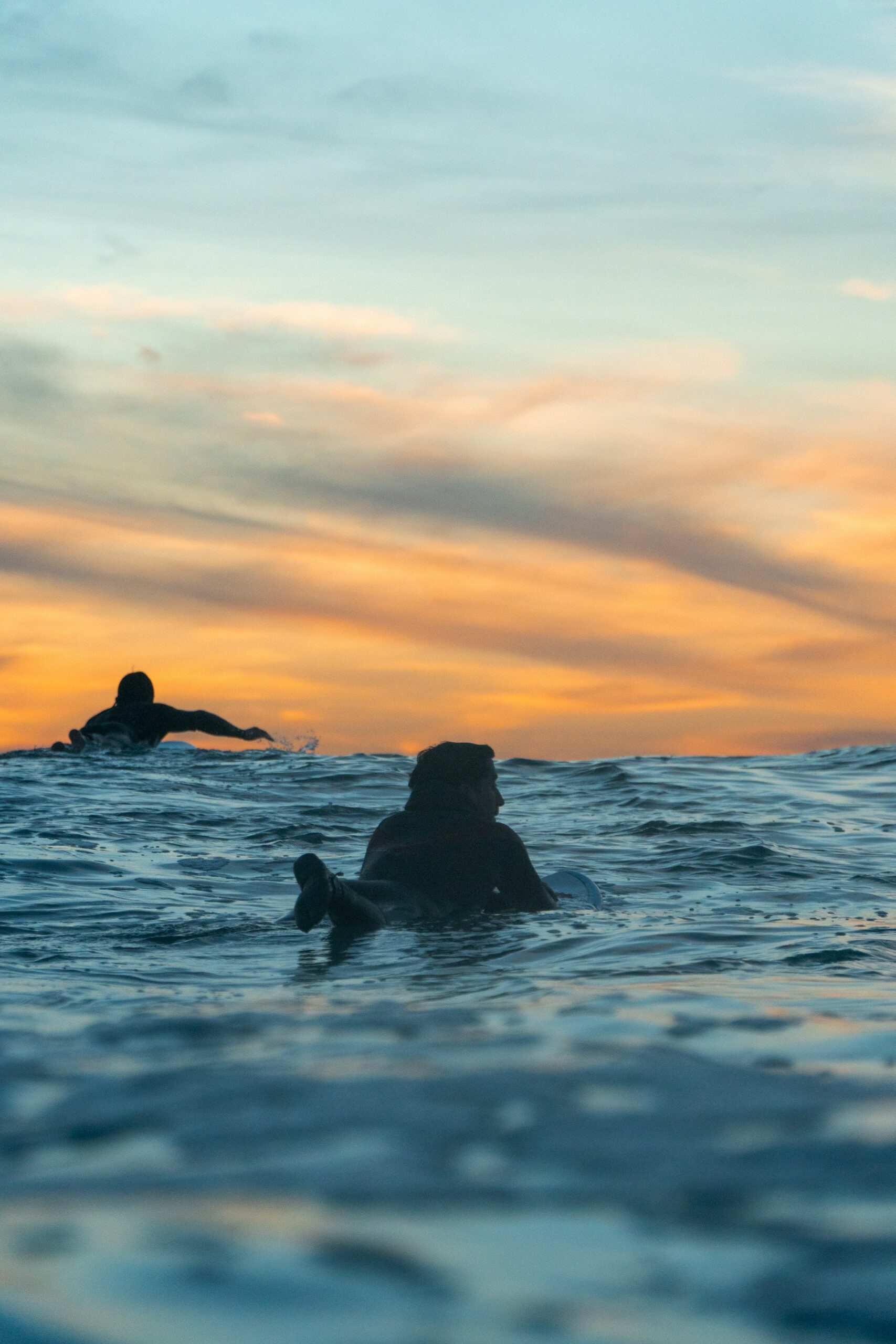
Portugal has earned its place as one of the world's premier surf destinations, and for good reason. With over 800 kilometers of Atlantic coastline, consistent swells year-round, and a culture that celebrates the ocean, surfing in Portugal is possible for every level. Whether you're a beginner catching your first whitewater in Peniche or an experienced charger watching tow-in sessions at Nazaré, Portugal delivers.
The popularity of surf in Portugal has grown dramatically over the past decade. Ericeira became a World Surfing Reserve in 2011 — only the second in the world — and the WSL Championship Tour stops in Peniche every year. But beyond the headlines, Portugal is packed with quieter spots, affordable surf houses, and a laid-back lifestyle that keeps surfers coming back season after season.
On Wave Safari, we've mapped over 150 surf spots, making it easy to explore every major Portugal surfing region in detail.
About 45 minutes north of Lisbon, Ericeira packs more high-quality surf breaks into a short stretch of coastline than almost anywhere else in Europe. The town itself is a charming former fishing village with cobblestone streets, excellent seafood, and a thriving surf community.
The Ericeira listings are among the most popular Portugal surf spots on Wave Safari and include reef breaks, beach breaks and point breaks covering all skill levels. Coxos is considered one of the best right-hand point breaks in Europe, while Foz do Lizandro offers a mellow beach break perfect for intermediates. Ribeira d'Ilhas hosts international competitions and works on most swells.
Best for: Intermediate to advanced surfers. Beginners will find options too, but the reef breaks demand respect.
Best season: September to April for consistent Atlantic swells, though summer offers smaller, cleaner waves ideal for learning.
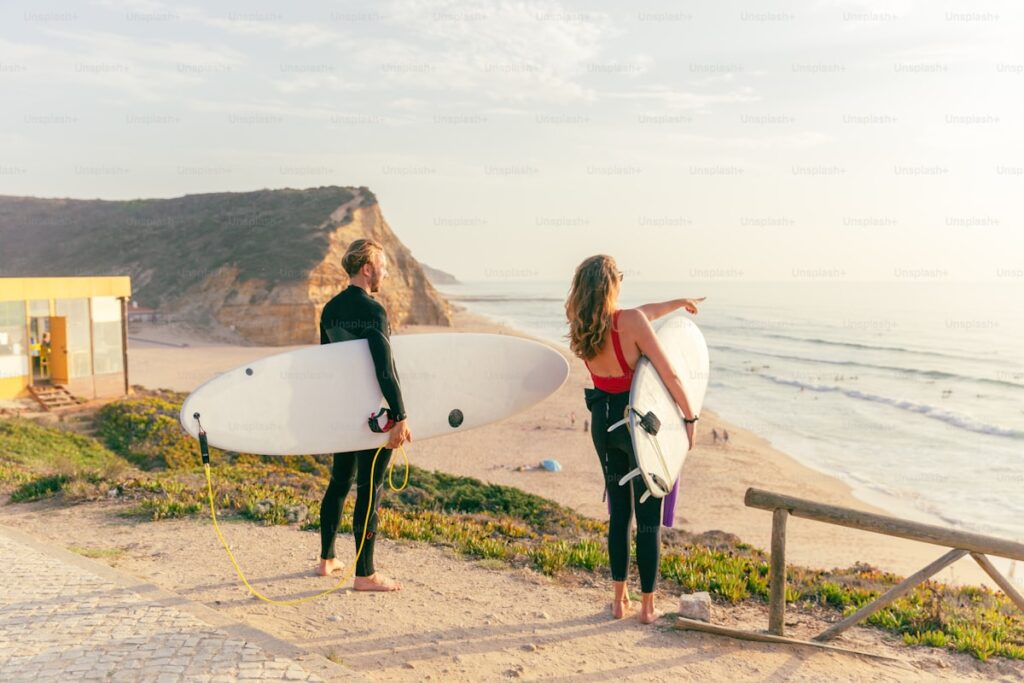
Surfers on the Portuguese coast
Peniche is a peninsula, which means when one side is blown out, the other is often offshore. This geographic quirk makes it one of the most consistent surf destinations in Europe. Supertubos, the wave that hosts Portugal's WSL Championship Tour event, is a heavy, hollow beach break that produces powerful barrels when conditions align.
Explore the full range of Peniche surf spots on Wave Safari, from the sheltered Baleal lagoon side to the exposed west-facing beaches. Baleal is particularly popular with surf schools and beginners thanks to its forgiving sandy bottom.
Best for: All levels. The peninsula layout means there's always somewhere to surf regardless of wind direction.
The Algarve coast is Portugal's warmest region, with water temperatures that stay comfortable well into autumn. The southwest corner around Sagres and Arrifana offers powerful waves in a dramatic cliff-lined setting.
Further east, spots like Lagos provide mellower conditions and a vibrant backpacker scene. The Algarve is ideal for surfers who want to combine surfing with beach days, hiking, and exploring one of Europe's most beautiful coastlines.
Best for: Beginners to intermediates in summer, more experienced surfers in winter when the swells pick up.
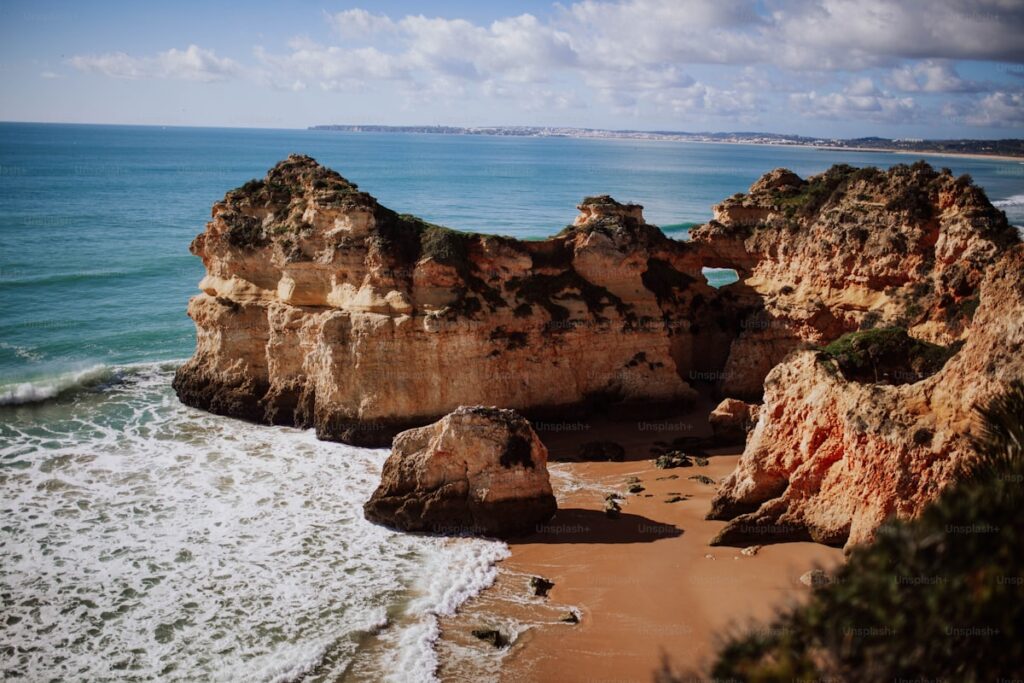
The Algarve's dramatic coastline
Nazaré needs little introduction. The underwater Nazaré Canyon funnels Atlantic swells into waves that can exceed 20 meters, making it the epicenter of big wave surfing worldwide. Even if you're not riding those giants, watching from the lighthouse at Praia do Norte is a bucket-list experience.
The town beach can offer surprisingly fun surf on smaller days, and the overall vibe mixes traditional Portuguese fishing culture with the adrenaline of the big wave community.
The country works year-round, but surfing in Portugal changes significantly with the seasons:
One of the reasons surfing Portugal remains so popular is the variety packed into a relatively small coastline. Within a few hours' drive, surfers can move from beginner-friendly beach breaks to world-class reef and point breaks.
Portugal's surf house scene is one of the best in Europe. From budget hostels in Peniche to boutique retreats in Ericeira, there's something for every style and budget.
Browse all surf houses in Portugal on Wave Safari to find accommodation with ratings, reviews, amenities, and nearby surf spots mapped on each listing. Many surf houses offer packages that include lessons, board rental, yoga sessions, and airport transfers.
A few tips for choosing your base:
Portugal is small and well-connected. Lisbon airport serves as the main hub, with Ericeira about 45 minutes north and Peniche about an hour north. Faro airport in the south is the gateway to the Algarve. Renting a car is highly recommended for anyone planning to explore multiple surf regions. Many surf houses also offer shuttle services to local breaks.
Portugal rewards exploration. With Wave Safari, you can browse every region, compare surf spots side by side, and find the perfect surf house for your trip. Start with the full Portugal destination page and let the coastline guide you.
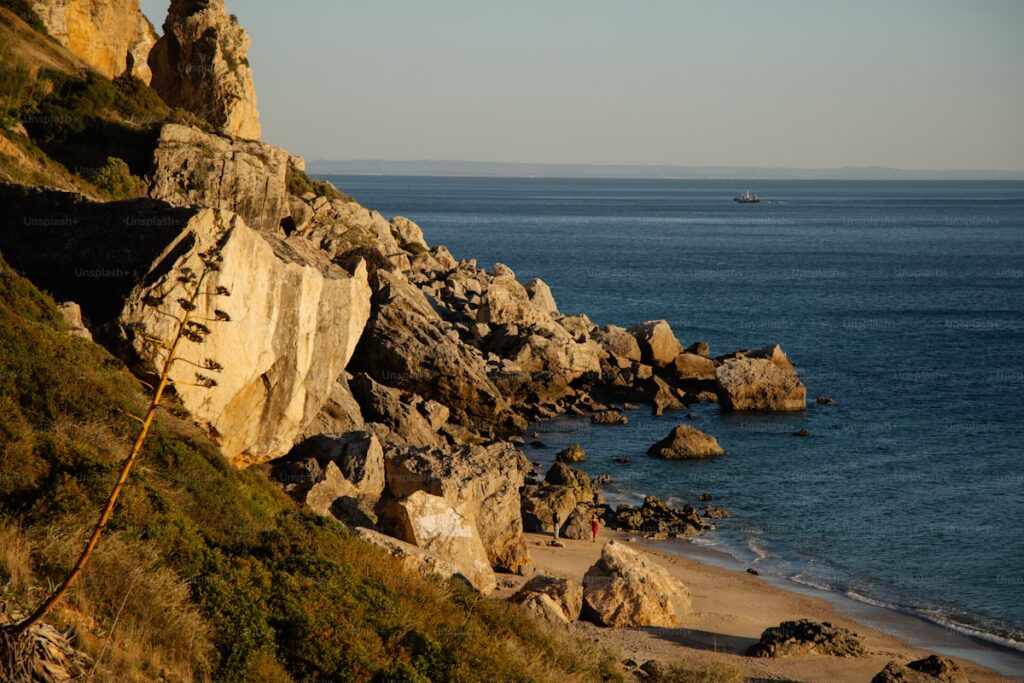
Golden light on the Portuguese rocky coastline
Portugal's surf culture has grown organically over the past two decades. What started as a handful of adventurous locals riding cold-water waves has become a full-blown community of international surfers, shapers, surf photographers, and ocean athletes. Ericeira and Peniche both have thriving local shaping scenes, and you can watch boards being made by hand in workshops around town.
The community aspect is a big part of what makes Portugal special. Surf houses aren't just places to sleep — they're social hubs where travelers from around the world connect over shared sessions and post-surf meals. Many of the best friendships and travel stories start at a communal dinner table in a Portuguese surf camp.
The local surfers are generally welcoming, especially if you show respect for the lineup and the culture. Learn the basics of wave priority, don't paddle for every wave, and you'll find the vibe is warm and inclusive.
Surfing in Portugal means exceptional value for surf travelers, especially compared to other Western European countries. Here's a rough breakdown of what to expect:
Flights from most European cities are affordable, especially with budget airlines. A rental car costs around €25-40/day and is the best way to explore multiple regions.
Portugal's Atlantic coast is powerful and deserves respect. Rip currents are common on many beach breaks, and some reef spots have shallow sections that can cause injuries. Always check conditions before paddling out, surf with others, and don't overestimate your ability. If you're new to the country, a few sessions with a local surf guide or school can help you understand the specific hazards of each break.
Lifeguards patrol most popular beaches during summer months, but during the autumn and winter surf season, many beaches are unguarded. Carry a basic first aid kit and know the emergency number (112).
The waves are waiting. Go find them.
Yes. Portugal is widely considered one of the best surf destinations in the world thanks to its consistent Atlantic swell, variety of wave types and year-round surf seasons. Whether you're a beginner or an experienced surfer, you'll find excellent surf in Portugal.
Some of the most famous Portugal surf spots include Supertubos and Baleal in Peniche, Coxos and Ribeira d'Ilhas in Ericeira, Praia do Norte in Nazaré, and Arrifana in the Algarve. Each region offers different wave types and conditions suited to different skill levels.
Surfing in Portugal is possible year-round. Autumn and winter (October to March) bring the most powerful Atlantic swells and are best for experienced surfers, while spring and summer offer smaller, friendlier waves that are ideal for beginners and intermediates.
Absolutely. Portugal has many beginner-friendly beach breaks, excellent surf schools and affordable surf camps. Places like Baleal, Foz do Lizandro, Costa da Caparica and parts of the Algarve are ideal for learning.
Yes, in most cases. A 4/3mm wetsuit is recommended during winter, while a 3/2mm wetsuit is usually enough in spring and autumn. During summer, surfers in southern Portugal may be comfortable in a shorty or even boardshorts on warmer days.
From Portuguese barrels and Basque rivermouths to Irish slabs and Canary Island reefs — the waves that make Europe a surf continent in its own right.
Great waves don't have to cost a fortune. Seven destinations where your money buys more time in the water.
Barrel, offshore, goofy, set — decode the language of the lineup so you sound like you belong
From a vague urge to chase waves to a booked trip that actually delivers. Here's the order to do it in.
The right wetsuit keeps you in the water longer. Here's exactly what to wear, by degree.
The ocean has rules nobody prints on a sign. Learn them and you'll be welcome anywhere.
Everything you need to bring for your next surf trip, including the small surf trip essentials first-timers always forget.
Why some waves are gentle and others are heavy comes down to what's under the water. Here's how to read them.
What beginner, intermediate and advanced really mean in the water — and how to know which one you are.
Why timing matters more than destination — and how to find good waves somewhere in the world every month.