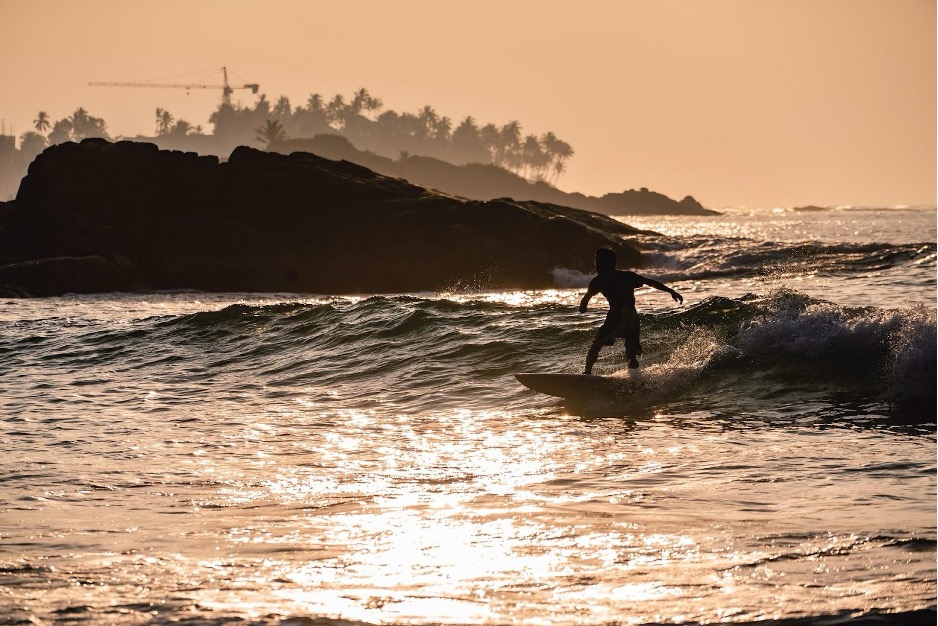
From Portuguese barrels and Basque rivermouths to Irish slabs and Canary Island reefs — the waves that make Europe a surf continent in its own right.
Sri Lanka is the kind of destination that catches surfers off guard. Tucked below the southern tip of India, this teardrop-shaped island packs an extraordinary amount of variety into a relatively small area: powerful reef breaks on the east coast, mellow points on the south, ancient Buddhist temples inland, and some of the friendliest people you'll meet anywhere.
What makes Sri Lanka particularly special for surf travel is its dual-season advantage. When the south and west coasts are firing (November to April), the east coast is flat and vice versa. This means Sri Lanka is a year-round surf destination, something very few places in Asia can claim.
Explore all the surf spots across Sri Lanka on Wave Safari, from the famous breaks of Arugam Bay to the hidden reefs of the deep south.
The south coast from Hikkaduwa to Mirissa is where most surf travelers begin. It's the most developed region for tourism, with easy access from Colombo airport (2-3 hours by road or the scenic coastal train).
Weligama is Sri Lanka's undisputed learn-to-surf capital. The wide, sandy bay produces gentle, rolling waves that are perfect for beginners. The town has dozens of surf schools and budget guesthouses lining the beach road.
Midigama is the intermediate's paradise. Multiple reef breaks sit within walking distance of each other, including Plantations (a long, mellow left), Midigama Left, and Midigama Right. The vibe is quieter than Weligama, with a growing community of longer-stay surfers.
Ahangama and Koggala add more reef options, while Unawatuna is a beautiful bay that works on bigger swells.
Best for: All levels. The south coast has the widest range of breaks and the most infrastructure for surf travelers.

Hiriketiya (near Dickwella) is a horseshoe-shaped bay that's become one of the most photographed spots in Sri Lanka. The left-hander at the eastern end of the bay is a fun, punchy wave for intermediate surfers, while the inside section is mellow enough for beginners. The bay is small and gets crowded at peak times, but the setting is stunning.
Arugam Bay on the east coast is Sri Lanka's most famous surf destination and one of the best point breaks in Asia. The main break is a long, walling right-hander that peels over a sand-bottom reef, offering rides of 200+ meters on a good day. It's consistent, warm, and incredibly fun.
Beyond the main break, Arugam Bay is surrounded by world-class spots. Peanut Farm is a shorter, punchier right about 3 km south. Whiskey Point (near Urani) offers a mellower right that's excellent for intermediates. Elephant Rock and Pottuvil Point add variety on bigger swells.
Best for: Intermediate to advanced surfers at the main point. Beginners can learn in the bay's inside section.
Season: April to October (the southeast monsoon brings offshore winds to the east coast).
The stretch around Matara is less explored than the Weligama-Midigama corridor but holds several quality reef breaks. It's the place to go if you want fewer crowds and a more local experience. Thalpe is another developing area with quality reef setups.
Sri Lanka has a fantastic range of surf accommodation, from $10/night guesthouses to boutique surf villas. The Sri Lanka surf house directory on Wave Safari lists over 100 options with reviews and ratings.
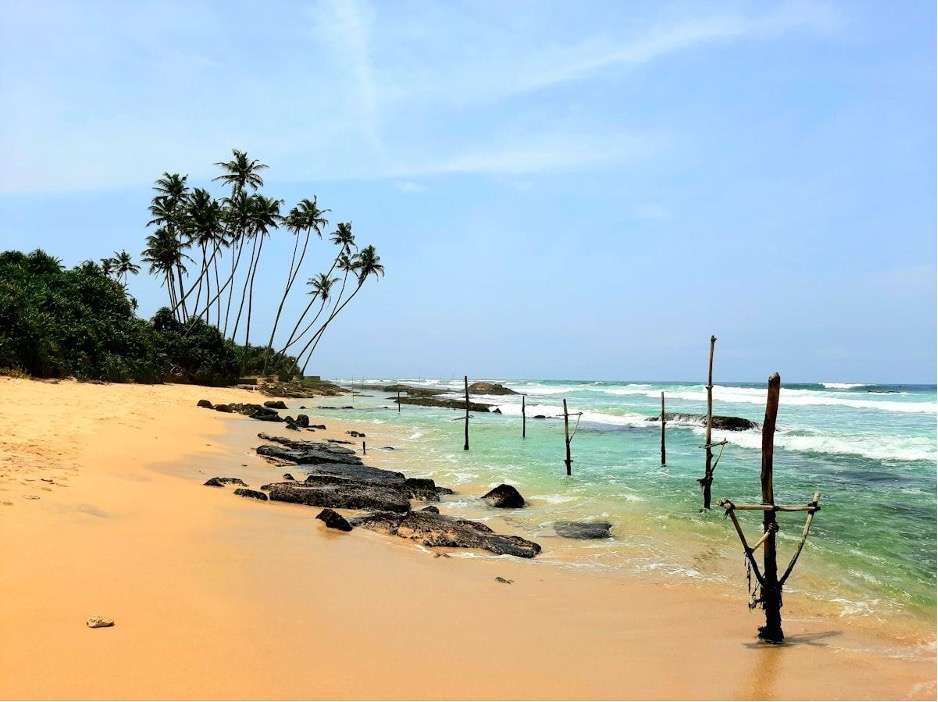
Sri Lanka is much more than its coastline. Between surf sessions, you can:
Sri Lanka is one of those rare destinations where everything comes together - great waves, rich culture, stunning nature, and genuine warmth from the people. Start building your itinerary on the Sri Lanka destination page and discover why this island keeps surfers coming back.
No trip to Sri Lanka is complete without a detour inland to the hill country. The train ride from the coast to Ella winds through tea plantations, waterfalls, and misty mountain peaks it's consistently rated one of the most beautiful train journeys in the world. Ella itself is a tiny mountain town with hikes to Little Adam's Peak and Nine Arch Bridge, both spectacular.
Kandy, the cultural capital, is home to the Temple of the Sacred Tooth Relic and sits on a stunning lake surrounded by hills. You can reach both Ella and Kandy from the surf coast in half a day and easily build a 3-4 day inland trip into your itinerary.
This combination of surf and culture is what makes Sri Lanka unique. Very few destinations offer world-class waves and UNESCO World Heritage sites within such close proximity.

Sri Lankan food deserves its own section because it's that good. The staple is rice and curry, but this doesn't prepare you for the variety a typical lunch plate comes with rice surrounded by six to eight small dishes including dhal, coconut sambol, fish curry, vegetable curries, and chutneys. It's complex, spicy, and deeply flavorful.
For breakfast, hoppers (bowl-shaped rice flour pancakes) are the national specialty, served with egg in the middle and a coconut milk sauce. String hoppers (noodle nests) are another classic. Kottu roti chopped roti bread stir-fried with vegetables, egg, and spices is the ultimate post-surf meal, and you'll hear the distinctive chopping sound from street-side stalls every evening.
Fresh seafood is abundant on the coast. Many surf towns have beachside restaurants where you can pick your fish straight from the morning's catch and have it grilled to order for a few dollars.
Sri Lanka's tourism industry is crucial to its economy, especially after the challenges of recent years. Traveling responsibly makes a real difference here. Choose locally-owned guesthouses and surf camps over international chains. Eat at local restaurants. Buy from local markets. Many surf camps now run community programs or beach cleanups that you can join.
In the water, be mindful of the coral reefs some south coast spots break directly over living reef, and standing on it causes lasting damage. Use reef-safe sunscreen and avoid touching or standing on the reef when possible.
Tropical water, ancient history, and perfect points. Sri Lanka is the adventure you didn't know you needed.
Yes, Sri Lanka is one of the best beginner-friendly surf destinations in Asia. Weligama is especially ideal, with a wide sandy bay, gentle waves, and plenty of surf schools.
Sri Lanka is a year-round surf destination thanks to its dual seasons:
South & West Coasts (November to April): best conditions around Weligama, Midigama, and Hiriketiya
East Coast (April to October): prime season at Arugam Bay
You can always find waves somewhere on the island.
Top areas include:
Weligama: perfect for beginners
Midigama: ideal for intermediate reef breaks
Hiriketiya: scenic bay with fun waves
Arugam Bay: one of Asia's best right-hand point breaks
Ahangama: more advanced reef setups
No. Water temperatures are very warm (28 - 30°C) year-round, so boardshorts or a bikini are all you need.
Yes. Thanks to opposite seasons on each coast, Sri Lanka offers surf all year just choose the right region depending on the month.
Yes. Beginners can learn in Weligama, intermediates can progress in Midigama, and advanced surfers can challenge themselves at reef breaks like those near Ahangama or at Arugam Bay.
Yes, Sri Lanka is very budget-friendly. You can comfortably travel on $30 - 50/day, including accommodation, food, and transport.
Both. Weligama offers sandy beach breaks, while places like Midigama and Ahangama feature reef breaks.
From Portuguese barrels and Basque rivermouths to Irish slabs and Canary Island reefs — the waves that make Europe a surf continent in its own right.
Great waves don't have to cost a fortune. Seven destinations where your money buys more time in the water.
Barrel, offshore, goofy, set — decode the language of the lineup so you sound like you belong
From a vague urge to chase waves to a booked trip that actually delivers. Here's the order to do it in.
The right wetsuit keeps you in the water longer. Here's exactly what to wear, by degree.
The ocean has rules nobody prints on a sign. Learn them and you'll be welcome anywhere.
Everything you need to bring for your next surf trip, including the small surf trip essentials first-timers always forget.
Why some waves are gentle and others are heavy comes down to what's under the water. Here's how to read them.
What beginner, intermediate and advanced really mean in the water — and how to know which one you are.
Why timing matters more than destination — and how to find good waves somewhere in the world every month.