Ship In Bay Surf Spot Guide, Saint Vincent and the Grenadines
Ship In Bay offers a welcoming introduction to Caribbean surfing with consistent, fun waves that work across multiple tide stages and swell directions. This left-hand point break delivers the kind of forgiving, playful surf that keeps surfers coming back, whether you're chasing your first waves or refining your technique in warm tropical waters.
Geography and Nature
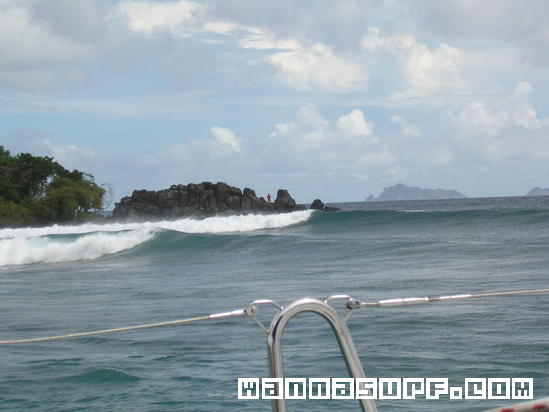
Ship In Bay sits on the leeward side of Saint Vincent, characterized by the island's distinctive volcanic landscape. The bay is sheltered and accessible, with a mix of reef and rocky bottom that creates the point break formation. The surrounding area features the typical Caribbean blend of lush tropical vegetation meeting the ocean, with the island's volcanic peaks providing a dramatic backdrop. The bay itself remains relatively undeveloped, offering a more authentic Caribbean experience than some of the more touristy beach areas found elsewhere on the island.
Surf Setup
Ship In Bay is a left-hand point break that works best with south, southeast, and east-facing swells. The reef and rocky bottom create a peeling wall that allows surfers to work along the break rather than dealing with closeout sections. Best wind conditions arrive from the north, northwest, and west, which provide offshore winds that clean up the waves and create shape. The break works across all tide stages, making it flexible for surfers with varying schedules. On a typical session, you can expect 1 to 2 meter waves with occasional sets reaching 1.2 meters, offering enough punch for fun maneuvers without becoming overwhelming.
Consistency and Best Time
Ship In Bay maintains regular swell throughout the year, though winter months from December through March tend to deliver the most consistent and reliable conditions. The trade wind patterns during this season align well with the break's preferred swell directions. Summer months can still produce rideable waves, though consistency drops somewhat. The shoulder seasons of spring and fall offer a middle ground with decent frequency and fewer crowds.
Crowd Levels
Ship In Bay remains remarkably uncrowded on weekdays, with only a handful of surfers in the water on most days. Weekend sessions see slightly more activity, though the bay rarely becomes packed. The mix tends toward visiting surfers and traveling enthusiasts rather than a concentrated local crew, creating a relaxed and welcoming atmosphere.
Who It's For
This break welcomes surfers of all levels. Beginners appreciate the forgiving wave shape and consistent rhythm that allows practice without excessive difficulty. Intermediate surfers find enough shape and wall to work on technique and transitions. Advanced surfers can push harder maneuvers during better swell days while still enjoying the playful nature of the break.
Hazards to Respect
The reef and rocky bottom demand respect and awareness. Wear reef booties to protect against sharp coral and rocks. Watch for occasional rips, particularly during larger swell periods. The shallow reef means wipeouts require careful positioning to avoid contact with the bottom.
Water Temperature and Wetsuit Guide
Summer months from June through October bring water temperatures around 26 to 27 degrees Celsius, requiring only board shorts or a light rash vest. Winter from December through March stays warm at 24 to 25 degrees Celsius, still comfortable in minimal coverage. Spring and fall maintain temperatures between 25 and 26 degrees Celsius, making a rash vest optional depending on personal preference.
How to Get There
The nearest airport is E.T. Joshua Airport in Saint Vincent, located approximately 10 kilometers from Ship In Bay. From the airport, arrange a taxi or rental car for the short drive to the bay. The break is accessible by road with basic parking available near the beach. Local guides and accommodations in nearby towns can provide specific directions and transportation assistance.





















Ship In Bay Surf Spot Guide, Saint Vincent and the Grenadines
Ship In Bay offers a welcoming introduction to Caribbean surfing with consistent, fun waves that work across multiple tide stages and swell directions. This left-hand point break delivers the kind of forgiving, playful surf that keeps surfers coming back, whether you're chasing your first waves or refining your technique in warm tropical waters.
Geography and Nature
Ship In Bay sits on the leeward side of Saint Vincent, characterized by the island's distinctive volcanic landscape. The bay is sheltered and accessible, with a mix of reef and rocky bottom that creates the point break formation. The surrounding area features the typical Caribbean blend of lush tropical vegetation meeting the ocean, with the island's volcanic peaks providing a dramatic backdrop. The bay itself remains relatively undeveloped, offering a more authentic Caribbean experience than some of the more touristy beach areas found elsewhere on the island.
Surf Setup
Ship In Bay is a left-hand point break that works best with south, southeast, and east-facing swells. The reef and rocky bottom create a peeling wall that allows surfers to work along the break rather than dealing with closeout sections. Best wind conditions arrive from the north, northwest, and west, which provide offshore winds that clean up the waves and create shape. The break works across all tide stages, making it flexible for surfers with varying schedules. On a typical session, you can expect 1 to 2 meter waves with occasional sets reaching 1.2 meters, offering enough punch for fun maneuvers without becoming overwhelming.
Consistency and Best Time
Ship In Bay maintains regular swell throughout the year, though winter months from December through March tend to deliver the most consistent and reliable conditions. The trade wind patterns during this season align well with the break's preferred swell directions. Summer months can still produce rideable waves, though consistency drops somewhat. The shoulder seasons of spring and fall offer a middle ground with decent frequency and fewer crowds.
Crowd Levels
Ship In Bay remains remarkably uncrowded on weekdays, with only a handful of surfers in the water on most days. Weekend sessions see slightly more activity, though the bay rarely becomes packed. The mix tends toward visiting surfers and traveling enthusiasts rather than a concentrated local crew, creating a relaxed and welcoming atmosphere.
Who It's For
This break welcomes surfers of all levels. Beginners appreciate the forgiving wave shape and consistent rhythm that allows practice without excessive difficulty. Intermediate surfers find enough shape and wall to work on technique and transitions. Advanced surfers can push harder maneuvers during better swell days while still enjoying the playful nature of the break.
Hazards to Respect
The reef and rocky bottom demand respect and awareness. Wear reef booties to protect against sharp coral and rocks. Watch for occasional rips, particularly during larger swell periods. The shallow reef means wipeouts require careful positioning to avoid contact with the bottom.
Water Temperature and Wetsuit Guide
Summer months from June through October bring water temperatures around 26 to 27 degrees Celsius, requiring only board shorts or a light rash vest. Winter from December through March stays warm at 24 to 25 degrees Celsius, still comfortable in minimal coverage. Spring and fall maintain temperatures between 25 and 26 degrees Celsius, making a rash vest optional depending on personal preference.
How to Get There
The nearest airport is E.T. Joshua Airport in Saint Vincent, located approximately 10 kilometers from Ship In Bay. From the airport, arrange a taxi or rental car for the short drive to the bay. The break is accessible by road with basic parking available near the beach. Local guides and accommodations in nearby towns can provide specific directions and transportation assistance.
Ship In Bay Surf Spot Guide, Saint Vincent and the Grenadines
Ship In Bay offers a welcoming introduction to Caribbean surfing with consistent, fun waves that work across multiple tide stages and swell directions. This left-hand point break delivers the kind of forgiving, playful surf that keeps surfers coming back, whether you're chasing your first waves or refining your technique in warm tropical waters.
Geography and Nature
Ship In Bay sits on the leeward side of Saint Vincent, characterized by the island's distinctive volcanic landscape. The bay is sheltered and accessible, with a mix of reef and rocky bottom that creates the point break formation. The surrounding area features the typical Caribbean blend of lush tropical vegetation meeting the ocean, with the island's volcanic peaks providing a dramatic backdrop. The bay itself remains relatively undeveloped, offering a more authentic Caribbean experience than some of the more touristy beach areas found elsewhere on the island.
Surf Setup
Ship In Bay is a left-hand point break that works best with south, southeast, and east-facing swells. The reef and rocky bottom create a peeling wall that allows surfers to work along the break rather than dealing with closeout sections. Best wind conditions arrive from the north, northwest, and west, which provide offshore winds that clean up the waves and create shape. The break works across all tide stages, making it flexible for surfers with varying schedules. On a typical session, you can expect 1 to 2 meter waves with occasional sets reaching 1.2 meters, offering enough punch for fun maneuvers without becoming overwhelming.
Consistency and Best Time
Ship In Bay maintains regular swell throughout the year, though winter months from December through March tend to deliver the most consistent and reliable conditions. The trade wind patterns during this season align well with the break's preferred swell directions. Summer months can still produce rideable waves, though consistency drops somewhat. The shoulder seasons of spring and fall offer a middle ground with decent frequency and fewer crowds.
Crowd Levels
Ship In Bay remains remarkably uncrowded on weekdays, with only a handful of surfers in the water on most days. Weekend sessions see slightly more activity, though the bay rarely becomes packed. The mix tends toward visiting surfers and traveling enthusiasts rather than a concentrated local crew, creating a relaxed and welcoming atmosphere.
Who It's For
This break welcomes surfers of all levels. Beginners appreciate the forgiving wave shape and consistent rhythm that allows practice without excessive difficulty. Intermediate surfers find enough shape and wall to work on technique and transitions. Advanced surfers can push harder maneuvers during better swell days while still enjoying the playful nature of the break.
Hazards to Respect
The reef and rocky bottom demand respect and awareness. Wear reef booties to protect against sharp coral and rocks. Watch for occasional rips, particularly during larger swell periods. The shallow reef means wipeouts require careful positioning to avoid contact with the bottom.
Water Temperature and Wetsuit Guide
Summer months from June through October bring water temperatures around 26 to 27 degrees Celsius, requiring only board shorts or a light rash vest. Winter from December through March stays warm at 24 to 25 degrees Celsius, still comfortable in minimal coverage. Spring and fall maintain temperatures between 25 and 26 degrees Celsius, making a rash vest optional depending on personal preference.
How to Get There
The nearest airport is E.T. Joshua Airport in Saint Vincent, located approximately 10 kilometers from Ship In Bay. From the airport, arrange a taxi or rental car for the short drive to the bay. The break is accessible by road with basic parking available near the beach. Local guides and accommodations in nearby towns can provide specific directions and transportation assistance.
Il link alle previsioni non è disponibile.


Webcam not available