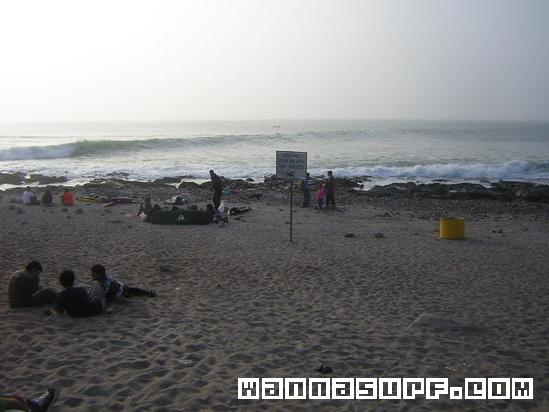
El Buey Surf Spot Guide, Chile
El Buey stands out as Arica's premier big wave reef break, delivering hollow, fast, and powerful rides that demand respect from seasoned surfers. This exposed reef spot in northern Chile offers both right and left handers over a sandy bottom with rocky sections, creating an intense, uncrowded vibe perfect for those chasing serious lines. Nestled in the vast Pacific bay, it transforms into a world-class arena when massive swells roll in, rewarding commitment with epic sessions far from shore.
Geography and Nature
El Buey lies in the Atacama region near Arica, about half a kilometer offshore in the middle of the bay fronting the famous El Gringo spot and the Alacran Peninsula. The coastal landscape features dramatic desert cliffs meeting the endless Pacific, with rocky shorelines and sandy pockets along urban-adjacent beaches like Playa El Laucho. This remote-feeling big wave gem sits amid arid dunes and sparse vegetation, exposed to open ocean swells that shape its raw power, while the mainland offers vantage points for scoping conditions from afar.
Surf Setup
El Buey is a classic exposed reef break with both lefts and rights, though the left often stands out as the choice line, forming hollow barrels and fast walls on clean southwest or south swells. Offshore winds from the east keep faces clean, while onshore breezes quickly mess it up, so early mornings are prime. It handles all tides but performs best around low to mid tide, with waves firing from 2.5 meters and up to over 12 meters on peak days. Expect a long paddle out of about 800 meters to reach the deep-water takeoff, where powerful sections test your speed and positioning in a typical session.
Consistency and Best Time
This spot offers fairly consistent surf, especially with regular south and southwest groundswells, but it truly excels in the winter months from April to October when long-period swells from the Southern Ocean pump through. Peak conditions hit June to August for the heaviest waves, while avoiding the summer months of December to March keeps you clear of smaller, less reliable surf and stronger onshore winds. Check forecasts closely, as it needs solid swell size above 2.5 meters to break properly.
Crowd Levels
Weekdays at El Buey are typically empty, giving ample space even on firing days. Weekends see a few surfers, mostly locals who know the spot well.
Who It's For
El Buey is strictly for experienced and advanced surfers equipped for big waves, thanks to its powerful, fast nature and critical takeoff over reef and rock. Beginners and intermediates should steer clear, as the size, speed, and paddle distance demand expert paddling power and wave judgment. Advanced riders can score long, high-line barrels, but only with solid big wave prep.
Hazards to Respect
Watch for strong rips that can pull you out during big sets and sharp rocks on the reef bottom that require precise positioning. Always prioritize safety gear and local knowledge to navigate these challenges.
Water Temperature and Wetsuit Guide
Summer from December to March brings water temperatures around 20 to 22°C, calling for a 3/2mm fullsuit or spring wetsuit for comfort during longer sessions. Winter from June to October drops to 15 to 18°C, where a 4/3mm fullsuit with booties is essential against the chill and potential impact. Spring and fall average 17 to 20°C, so a 3/2mm wetsuit works well with layers for variable conditions.
How to Get There
Fly into Chacalluta Airport (ARI) just 16 kilometers north of Arica for the closest access, then rent a car or taxi for the quick 20-minute drive south into town toward the Alacran Peninsula. Park along the coastal roads near Playa El Laucho or Hotel Arica, both offering free or low-cost spots within a short walk to viewing areas, though the break itself requires a boat or long paddle from shore. Public buses run frequently from the airport to central Arica, from where taxis cover the final 5 kilometers to the launch points.





















El Buey Surf Spot Guide, Chile
El Buey stands out as Arica's premier big wave reef break, delivering hollow, fast, and powerful rides that demand respect from seasoned surfers. This exposed reef spot in northern Chile offers both right and left handers over a sandy bottom with rocky sections, creating an intense, uncrowded vibe perfect for those chasing serious lines. Nestled in the vast Pacific bay, it transforms into a world-class arena when massive swells roll in, rewarding commitment with epic sessions far from shore.
Geography and Nature
El Buey lies in the Atacama region near Arica, about half a kilometer offshore in the middle of the bay fronting the famous El Gringo spot and the Alacran Peninsula. The coastal landscape features dramatic desert cliffs meeting the endless Pacific, with rocky shorelines and sandy pockets along urban-adjacent beaches like Playa El Laucho. This remote-feeling big wave gem sits amid arid dunes and sparse vegetation, exposed to open ocean swells that shape its raw power, while the mainland offers vantage points for scoping conditions from afar.
Surf Setup
El Buey is a classic exposed reef break with both lefts and rights, though the left often stands out as the choice line, forming hollow barrels and fast walls on clean southwest or south swells. Offshore winds from the east keep faces clean, while onshore breezes quickly mess it up, so early mornings are prime. It handles all tides but performs best around low to mid tide, with waves firing from 2.5 meters and up to over 12 meters on peak days. Expect a long paddle out of about 800 meters to reach the deep-water takeoff, where powerful sections test your speed and positioning in a typical session.
Consistency and Best Time
This spot offers fairly consistent surf, especially with regular south and southwest groundswells, but it truly excels in the winter months from April to October when long-period swells from the Southern Ocean pump through. Peak conditions hit June to August for the heaviest waves, while avoiding the summer months of December to March keeps you clear of smaller, less reliable surf and stronger onshore winds. Check forecasts closely, as it needs solid swell size above 2.5 meters to break properly.
Crowd Levels
Weekdays at El Buey are typically empty, giving ample space even on firing days. Weekends see a few surfers, mostly locals who know the spot well.
Who It's For
El Buey is strictly for experienced and advanced surfers equipped for big waves, thanks to its powerful, fast nature and critical takeoff over reef and rock. Beginners and intermediates should steer clear, as the size, speed, and paddle distance demand expert paddling power and wave judgment. Advanced riders can score long, high-line barrels, but only with solid big wave prep.
Hazards to Respect
Watch for strong rips that can pull you out during big sets and sharp rocks on the reef bottom that require precise positioning. Always prioritize safety gear and local knowledge to navigate these challenges.
Water Temperature and Wetsuit Guide
Summer from December to March brings water temperatures around 20 to 22°C, calling for a 3/2mm fullsuit or spring wetsuit for comfort during longer sessions. Winter from June to October drops to 15 to 18°C, where a 4/3mm fullsuit with booties is essential against the chill and potential impact. Spring and fall average 17 to 20°C, so a 3/2mm wetsuit works well with layers for variable conditions.
How to Get There
Fly into Chacalluta Airport (ARI) just 16 kilometers north of Arica for the closest access, then rent a car or taxi for the quick 20-minute drive south into town toward the Alacran Peninsula. Park along the coastal roads near Playa El Laucho or Hotel Arica, both offering free or low-cost spots within a short walk to viewing areas, though the break itself requires a boat or long paddle from shore. Public buses run frequently from the airport to central Arica, from where taxis cover the final 5 kilometers to the launch points.
El Buey Surf Spot Guide, Chile
El Buey stands out as Arica's premier big wave reef break, delivering hollow, fast, and powerful rides that demand respect from seasoned surfers. This exposed reef spot in northern Chile offers both right and left handers over a sandy bottom with rocky sections, creating an intense, uncrowded vibe perfect for those chasing serious lines. Nestled in the vast Pacific bay, it transforms into a world-class arena when massive swells roll in, rewarding commitment with epic sessions far from shore.
Geography and Nature
El Buey lies in the Atacama region near Arica, about half a kilometer offshore in the middle of the bay fronting the famous El Gringo spot and the Alacran Peninsula. The coastal landscape features dramatic desert cliffs meeting the endless Pacific, with rocky shorelines and sandy pockets along urban-adjacent beaches like Playa El Laucho. This remote-feeling big wave gem sits amid arid dunes and sparse vegetation, exposed to open ocean swells that shape its raw power, while the mainland offers vantage points for scoping conditions from afar.
Surf Setup
El Buey is a classic exposed reef break with both lefts and rights, though the left often stands out as the choice line, forming hollow barrels and fast walls on clean southwest or south swells. Offshore winds from the east keep faces clean, while onshore breezes quickly mess it up, so early mornings are prime. It handles all tides but performs best around low to mid tide, with waves firing from 2.5 meters and up to over 12 meters on peak days. Expect a long paddle out of about 800 meters to reach the deep-water takeoff, where powerful sections test your speed and positioning in a typical session.
Consistency and Best Time
This spot offers fairly consistent surf, especially with regular south and southwest groundswells, but it truly excels in the winter months from April to October when long-period swells from the Southern Ocean pump through. Peak conditions hit June to August for the heaviest waves, while avoiding the summer months of December to March keeps you clear of smaller, less reliable surf and stronger onshore winds. Check forecasts closely, as it needs solid swell size above 2.5 meters to break properly.
Crowd Levels
Weekdays at El Buey are typically empty, giving ample space even on firing days. Weekends see a few surfers, mostly locals who know the spot well.
Who It's For
El Buey is strictly for experienced and advanced surfers equipped for big waves, thanks to its powerful, fast nature and critical takeoff over reef and rock. Beginners and intermediates should steer clear, as the size, speed, and paddle distance demand expert paddling power and wave judgment. Advanced riders can score long, high-line barrels, but only with solid big wave prep.
Hazards to Respect
Watch for strong rips that can pull you out during big sets and sharp rocks on the reef bottom that require precise positioning. Always prioritize safety gear and local knowledge to navigate these challenges.
Water Temperature and Wetsuit Guide
Summer from December to March brings water temperatures around 20 to 22°C, calling for a 3/2mm fullsuit or spring wetsuit for comfort during longer sessions. Winter from June to October drops to 15 to 18°C, where a 4/3mm fullsuit with booties is essential against the chill and potential impact. Spring and fall average 17 to 20°C, so a 3/2mm wetsuit works well with layers for variable conditions.
How to Get There
Fly into Chacalluta Airport (ARI) just 16 kilometers north of Arica for the closest access, then rent a car or taxi for the quick 20-minute drive south into town toward the Alacran Peninsula. Park along the coastal roads near Playa El Laucho or Hotel Arica, both offering free or low-cost spots within a short walk to viewing areas, though the break itself requires a boat or long paddle from shore. Public buses run frequently from the airport to central Arica, from where taxis cover the final 5 kilometers to the launch points.
Il link alle previsioni non è disponibile.


Webcam not available